At a glance:
- Measure footprint and packaging type precisely, accounting for fragility, stacking needs, and load stability.
- Align dimensions with forklift/pallet jack specs, tine spacing, and loading orientation.
- Ensure pallet width, depth, and height suit racking beams and stacking limits without overhang.
- Choose dimensions that maximise container space, reduce shifting, and support stacking during transit.
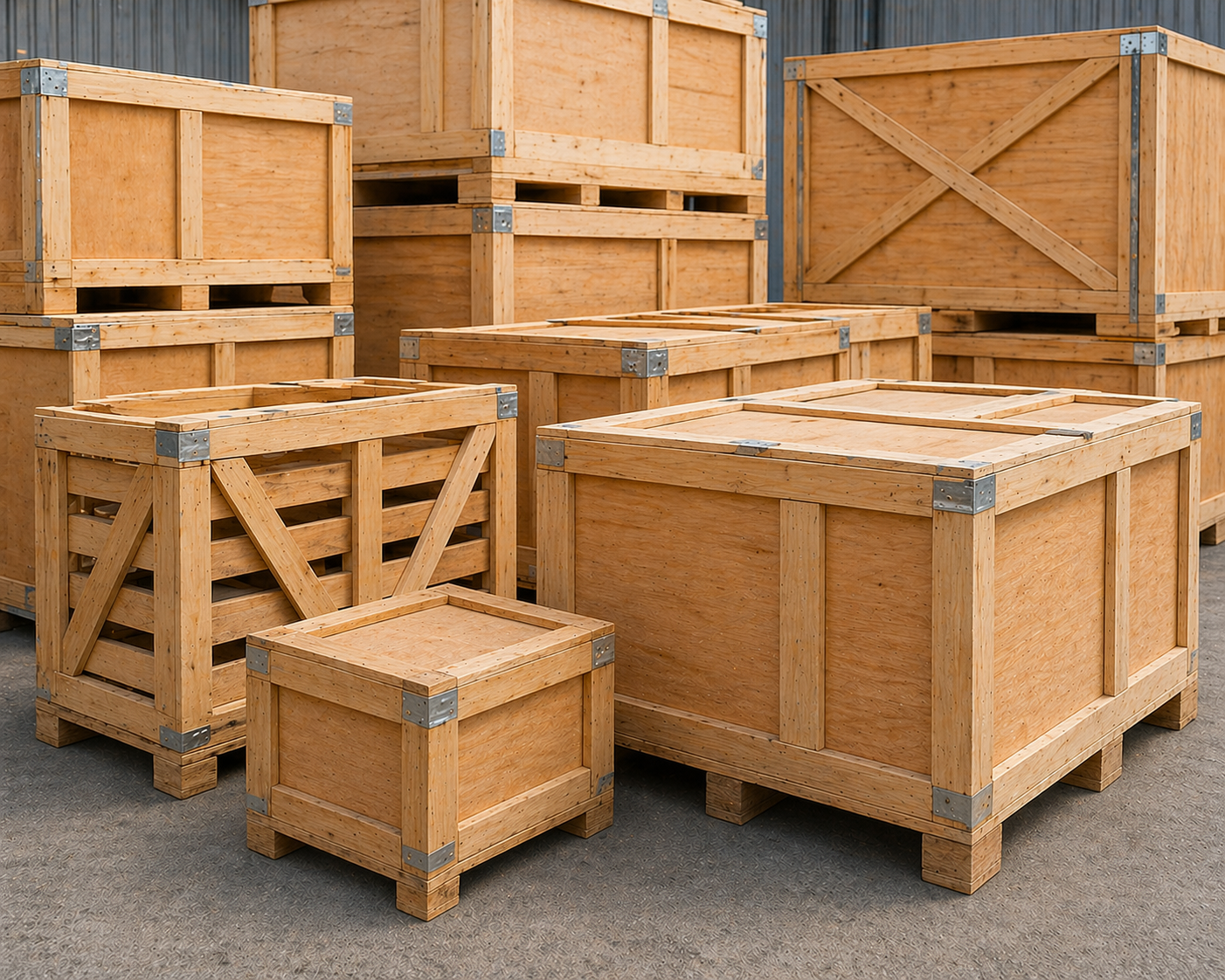
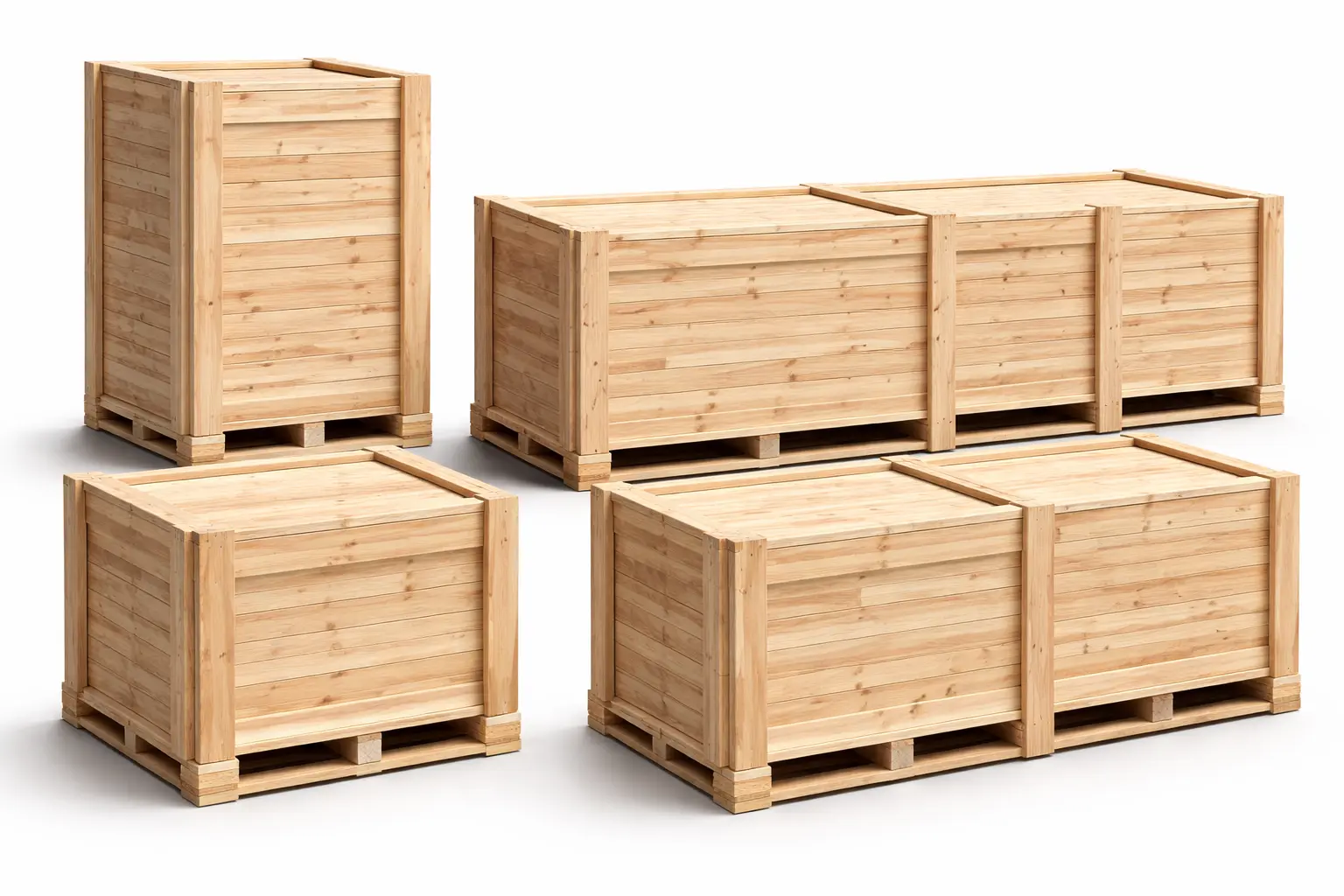
Custom pallets are designed for products that don’t fit in standard pallets due to irregular shape, heavy loads, or unique size. These products require precise specifications to ensure safe, efficient movement across your supply chain.
Getting pallet dimensions right directly influences handling efficiency, storage fit, transport stability, and cost control. Even minor miscalculations can create wasted space, increase the risk of damage, or cause compliance issues in both domestic and international freight.
This article outlines the essential factors to consider when specifying custom pallet dimensions that match your products, handling equipment, and logistics systems, helping you avoid preventable risks and achieve greater efficiency.
Start with the Product: Size, Shape, Weight & Characteristics
The first step in specifying custom pallet dimensions is to analyse the product it will carry. Custom pallets are typically needed for items that don’t fit on standard wooden pallets, so measure and record all key attributes, such as length, width, height, packaging type, and required weight capacity. Accurate measurements are essential to ensure the pallet is fit for purpose.
Even minor deviations from specified dimensions can affect load stability and increase the risk of damage in handling or transit. Materials such as cartons, drums, shrink-wrap, or bags can change the load’s footprint and influence how it performs in transport.
Next, analyse how the load’s weight is distributed and how the pallets will be stacked. If pallets are stored in vertical stacks, determine whether bracing or secure containment is required to keep the load stable. Products that are fragile or have flexible packaging may need tighter sizing, reinforced deck boards, or extra supports to minimise shifting and reduce the risk of damage during handling and transit.
Finally, check compatibility with warehouse racking. Overhang or misalignment, especially with oversized or asymmetrical loads, can create safety hazards and lead to compliance failures during storage or inspection.
Understand Handling Requirements
The products and pallets are at the highest risk of damage during handling. As a result, custom timber pallet dimensions must also reflect how the pallet will be handled across your facility. Whether pallets are moved via forklifts, pallet jacks, conveyors, or automated systems, each method imposes different requirements on ground clearance, tine entry spacing, and structural integrity.
If operators often use a forklift to handle the pallets, decide on the preferred entry type before finalising dimensions. 2-way entry pallets typically allow stronger stringer designs, making them suitable for heavier loads, while 4-way entry prioritises handling flexibility.
Lastly, consider conveyor and automation compatibility. Pallets that exceed the size limits of standard conveyors or processing systems can cause delays, jams, and unplanned downtime.
Read More: How to Properly Maintain and Extend the Life of Your Wooden Pallets
Consider Storage and Racking Systems
Storage systems place specific dimensional demands on pallets, especially in racked environments. Pallet width and depth should match beam spacing and shelf depth to prevent overhang, which reduces stability, or underhang, which wastes valuable storage space.
Stack height matters as much as footprint. Review vertical clearance and the pallet’s static load capacity to determine safe stacking limits. Loads that are tall, heavy, or prone to crushing may require reinforced designs or lower height allowances.
These dimensional factors become even more critical in high-density setups such as drive-in racking or automated retrieval systems. Here, even minor variations in base size can disrupt system calibration, slow picking cycles, or create safety hazards during retrieval. Always confirm that custom pallet dimensions integrate smoothly with your pallet racking and automation setups to protect throughput and warehouse safety.
Align with Transportation Needs
Transport compatibility is a major factor in pallet sizing, especially when cost, safety, and container efficiency are directly affected. Dimensions should match the requirements of your chosen transport modes, whether road, rail, sea, or multimodal freight.
The Australian Standard Pallet (1165 x 1165 mm) remains the norm for domestic freight. When shipping internationally, ISO-friendly sizes can reduce void space in containers, improve packing density, and help avoid unnecessary freight charges.
Poorly sized pallets can waste cubic space, create unstable stacking or eliminate double-stacking opportunities, all of which increase shipping costs and increase the risk of freight damage. If pallets are floor-loaded, ensure they can be securely restrained and withstand both lateral and vertical forces during transit.
Also consider whether loads will be block-stacked or double-stacked during transport. In these cases, pallet design and dimensions must support vertical pressure without deforming, while maintaining even weight distribution across the load.
Read More: How to Choose the Right Pallets for Your Needs
Collaborate with an Experienced Pallet Supplier
Even with precise measurements and well-planned logistics, validating pallet specifications with an experienced pallet supplier like Waterstone Holdings prevents costly oversights. Certain applications may require compliance with export regulations, food safety protocols, or heat-treatment standards. For international shipments, ISPM 15-certified pallets are essential.
An expert manufacturer ensures your design meets operational needs, compliance requirements, and cost targets without overengineering. Involving them early helps you achieve the right balance of performance and efficiency.
Correct pallet dimensions influence every part of your supply chain, from handling and storage to transport and cost control. By factoring in product design, equipment, racking, and freight, you can be confident your pallets are fit for purpose.
If you’re planning for custom pallet solutions, contact Waterstone Pallets. Our pallets are designed for performance, safety, and seamless integration with your business operations.