At a glance
- Heavy and irregular loads face a higher transport risk due to weight, uneven shape and complex handling requirements.
- Poor packaging increases the likelihood of load movement, damage, safety incidents and transport delays.
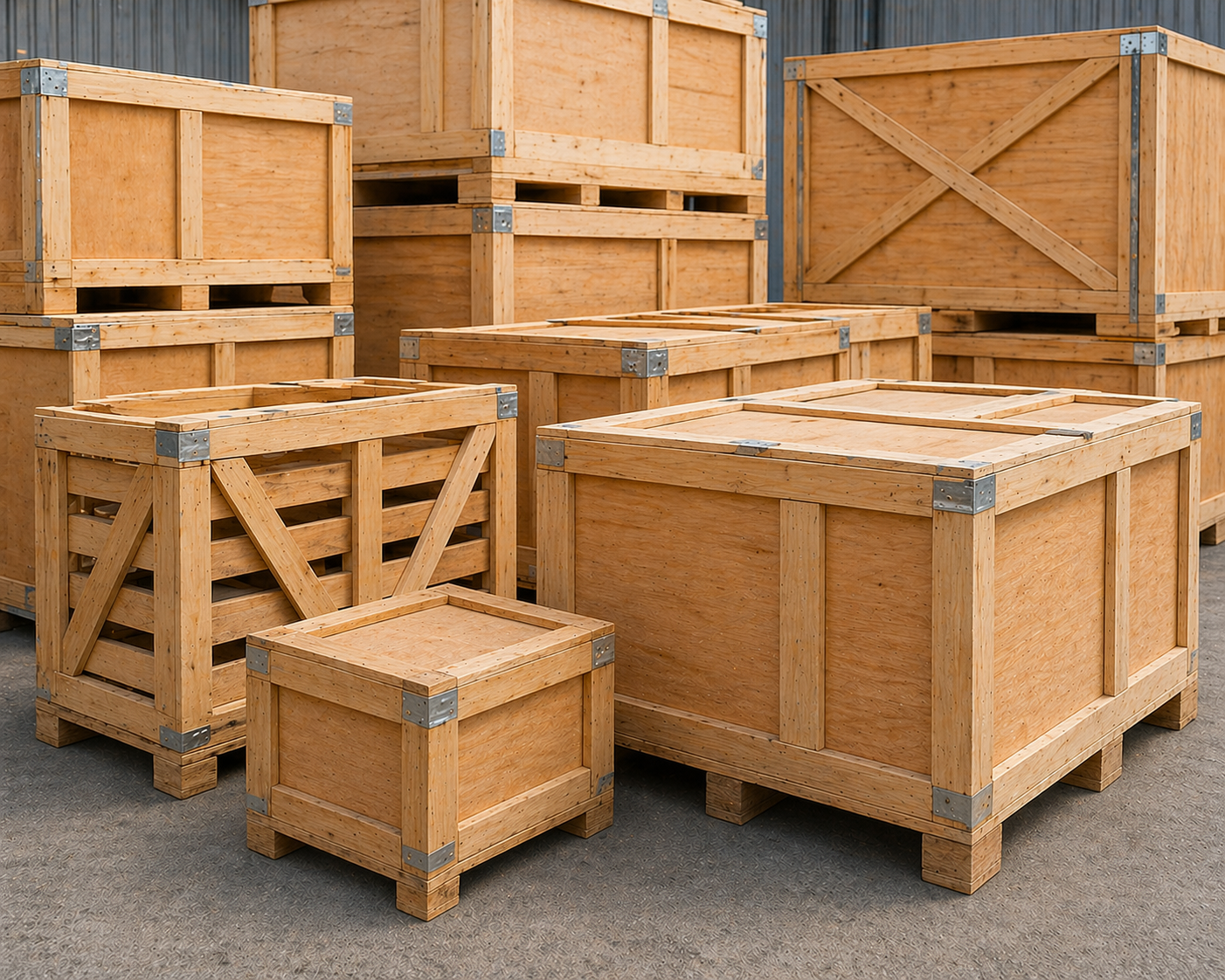
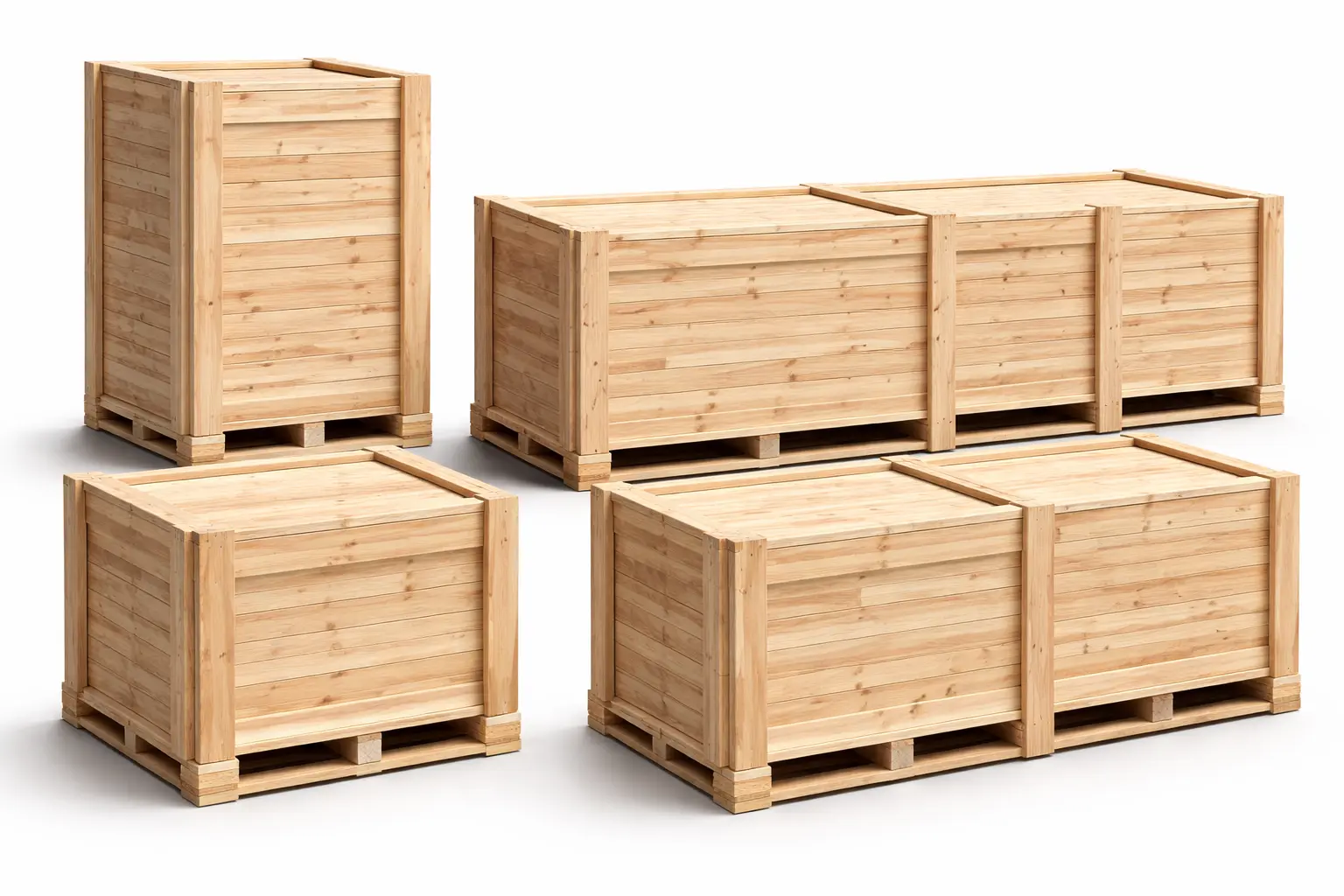
- Timber packaging provides structural support, stability and protection against vibration and handling stress.
- When designed for the load, timber packaging helps improve safety, reduce damage and support compliant transport.
Transporting heavy and irregular loads carries significantly higher risks than standard palletised freight. Their high weight, uneven dimensions and off-centre load distribution place extra stress on handling, transport and packaging. This increases the risk of movement, damage and transit delays.
For supply chain, logistics, warehouse and operations managers, it is crucial to address ongoing challenges like safety, compliance, delivery schedules and cost management. If the packaging is not suited for the load, even minor handling problems can escalate into significant operational disruption.
Timber packaging plays an important role in managing these risks by providing structural support and safer handling. This blog outlines the transport risks when handling heavy and irregular loads and also explains how timber packaging helps mitigate them effectively.
Before diving deeper, let’s clarify what qualifies as heavy and irregular loads.
What Are Heavy and Irregular Loads?
Heavy loads are items with high weight or concentrated load points, such as machinery, industrial equipment and oversized parts. You will often find these in manufacturing and construction settings, and they significantly increase pressure on handling equipment, transport systems and packaging structures. This makes them more susceptible to forklift handling forces, sudden stops and road vibrations.
Irregular loads are shaped in ways that make them difficult to handle and secure. Uneven dimensions, off-centre weight or fragile parts can create instability during loading, transport and unloading. These loads are common in industries such as aerospace, automotive and certain electronics applications involving specialised or oversized equipment.
Key Transport Risks When Handling Heavy and Irregular Loads
Heavy and irregular loads pose unique transport challenges beyond standard freight handling. It is important to understand the risks to manage damage, safety issues and disruptions throughout the transport chain.
Load Movement and Instability
Uneven weight distribution and irregular load footprints make heavy, irregular loads inherently unstable in motion. Unlike standard freight, these loads often lack a uniform base, allowing weight to shift when support is inconsistent. Even minor movement can translate into internal stress when loads are insufficiently constrained or unevenly supported.
Vehicle dynamics further amplify this risk. Braking, acceleration and cornering generate lateral and forward forces that act unevenly on non-standard loads. Without sufficient resistance to movement, loads can migrate within the packaging. This leads to displacement, packaging failure or load imbalance within a vehicle or container.
Structural Damage to Goods
Heavy static loads place continuous pressure on goods throughout transport. When weight is concentrated at specific points, materials can bend, crack or deform. This type of damage is often internal and becomes apparent only after delivery or installation.
Similarly, repeated micro-impacts and vibration can degrade the structural integrity of machinery and fabricated components with joints, housings or precision elements.
Without adequate protection, vibration-related damage can accumulate even when loads appear secure at dispatch.
Handling and Lifting Hazards
Poorly designed packaging exposes heavy and irregular loads to handling damage during routine lifting and transfer. Forklift tine penetration, edge impact and contact with surrounding freight are common risks when loads lack defined entry points. These incidents often occur quickly and leave little opportunity for correction.
Loads that shift or tilt during forklift or crane handling increase the risk of collapse, equipment damage or operator injury.
For warehouse and operations teams, these hazards create immediate WHS exposure and longer-term operational disruption.
Transport and Compliance Delays
Carriers or logistics providers can reject the load if the packaging is inadequate. Loads that appear unstable, unsafe or non-compliant may be refused, which requires repacking or redesign at short notice. This creates delays and added cost at critical points in the supply chain.
Furthermore, compliance requirements add complexity for interstate or export movements. Packaging that does not meet carrier standards, safety expectations and regulatory requirements may result in inspections or rejection at depots.
When damage, rework or documentation problems occur, delays often cascade across delivery schedules and downstream operations.
How Timber Packaging Helps Mitigate Transport Risks?
Once the risks are clearly understood, the next step is to select packaging that actively controls them rather than simply containing the load. Here is how choosing timber packaging can help reduce transport risks:
Provides Structural Load Support
Timber packaging is engineered to support heavy loads while maintaining structural integrity under static and dynamic transport conditions. Well-designed timber bases and pallets utilise load-rated bearers, deck thickness and fastening methods that suit the load’s weight and size. This ensures the packaging remains sturdy under static load and during transport.
Equally important is how that weight is distributed. Timber structures can be designed to spread the load evenly across the base, preventing stress concentration at weak points.
By supporting the load correctly from the ground up, timber packaging reduces the likelihood of deformation, base collapse or progressive structural damage.
Improves Load Stability in Transit
Movement is one of the most common causes of transport damage for heavy and irregular loads. Timber packaging addresses this by physically restraining the load through fitted bases, integrated bearers and internal bracing. The load is held in position rather than relying solely on external restraints.
This stability is crucial during braking, acceleration and cornering. Rigid timber structures help reduce distortion under these forces. This helps maintain alignment throughout the journey. Reduced movement minimises risks of internal damage, load shifting and imbalance within vehicles or containers.
Absorbs Shock and Vibration
Timber naturally absorbs shock, making it stand out from rigid options. Due to its unique cellular structure, it effectively dampens vibrations from road surfaces, machinery and vehicle motion. This quality makes timber packaging especially useful for long-haul transport, where constant low-level vibrations can cause gradual damage.
By reducing the shock transmitted to the load, it protects sensitive components, fasteners and internal assemblies. Protection is essential for high-value equipment, as it impacts performance and lifespan after delivery.
Allows Customisation for Irregular Loads
Irregular loads often do not fit into standard packaging formats, making timber packaging valuable. They can be tailored to accommodate objects with uneven shapes, off-centre weight distribution and protruding elements. This kind of flexibility allows the packaging to adapt to the load’s unique geometry. Custom timber solutions like cradles, chocks, bracing and frames help secure the load at its strongest points.
By managing how the load is positioned and supported, this customisation minimises movement, improves handling accuracy and enhances overall transport reliability.
Read More: Custom Pallets: Tailoring to Your Business Requirements
Compliance for Export and Long-Haul Transport
Timber packaging also plays a critical role in meeting regulatory and carrier requirements. Heat-treated timber pallets and packaging comply with ISPM 15 standards, which are mandatory for many international shipments. Ensuring compliance minimises the chances of shipment rejections at borders or inspection points.
For long-haul and export logistics, recognised timber packaging standards provide confidence to carriers and authorities alike. Compliant packaging supports smoother movement through the transport chain, minimising delays, rework and penalties that can disrupt delivery schedules.
Read More: Understanding ISPM 15 Standards for Wooden Pallets
Transporting heavy and irregular loads presents its own set of challenges, creating risks that standard freight does not face. Their weight, shape and handling requirements increase the risk of movement, damage, safety incidents and delays if these risks are not managed correctly.
Timber packaging helps reduce these risks by providing strength, stability and control where it matters most. When designed to suit the load, it supports the weight evenly, limits movement, protects against vibration and enables safer handling.
For businesses moving heavy or irregular loads, timber packaging is a practical risk-management tool for reliable transport. If you are looking to reduce transport risk for heavy or irregular loads, Waterstone Pallets can help. We are a trusted pallet supplier, delivering engineered timber packaging solutions that enhance safety and stability.
Get in touch with us to discuss your requirements and find the right pallet solution for your operation.
FAQs
Can timber packaging be designed for repeated use across multiple shipments?
Yes. Timber packaging can be designed for repeated use when engineered for the load weight, handling method and transport conditions.
How does timber packaging compare to plastic packaging for heavy loads?
Timber packaging generally performs better than plastic packaging for heavy loads because it offers higher load-bearing capacity, greater rigidity and better resistance to point loading.
What information should be provided when specifying packaging for heavy or irregular items?
When specifying packaging for heavy or irregular items, you should provide the load weight, dimensions, centre of gravity, handling method and transport mode.
Is custom timber packaging necessary for domestic transport or only for export shipments?
Custom timber packaging is not limited to export shipments. It is often necessary for domestic transport when loads are heavy, irregular or require controlled handling.