At a glance
- Precision-fit custom timber crates reduce internal movement, lower transit damage and improve load stability.
- Eliminating excess void space reduces filler materials and unnecessary packaging waste.
- Accurate sizing reduces timber usage while improving freight efficiency and warehouse storage.
- Stronger protection combined with smarter material use leads to long-term packaging cost savings.
Damaged goods may not always be visible on the warehouse floor, but they often lead to freight claims, returns and strained customer relationships. A shifted load or a cracked component can reduce margins if it becomes a recurring issue.
Often, the root cause is packaging that does not fit the product properly. Standard crates leave extra void space, which requires more filler materials and results in unstable loads during transport. That unused space also means managing more waste once shipments are unpacked.
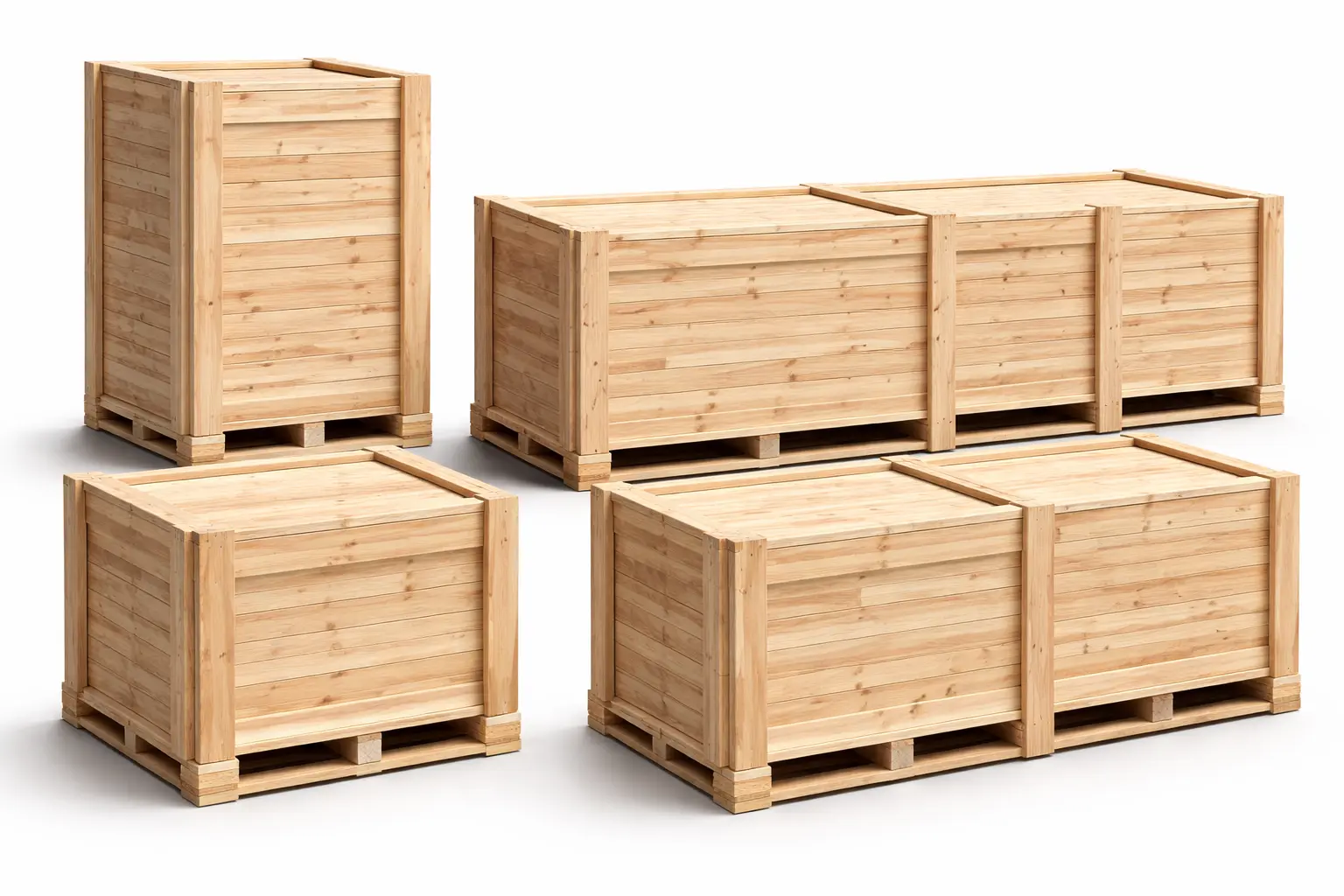
Custom timber crates offer a more precise solution. Designed to match exact product dimensions, they improve load stability while reducing material use, freight volume and packaging waste.
This blog explores how custom crate design enhances product protection and lowers overall packaging costs.
How Custom Crates Improve Product Protection
Effective custom packaging helps you control movement and protect goods from the warehouse through to final delivery. Here is how they minimise product damage and ensure safe transit:
Precision-Fit Design Minimises Internal Movement
A well-designed custom timber crate is built to fit the product’s exact dimensions, which reduces internal shifting during transit. When goods sit securely in the crate, there is less chance for movement caused by braking, turning and uneven road conditions. This precise fit improves load stability on long-haul and export routes when combined with proper securing methods.
By removing unnecessary empty space, custom crates reduce the need for filler materials such as foam or plastic inserts. The crate itself provides strong support instead of depending on additional cushioning to stabilise the load. This approach reduces the risk of vibration-related damage. It also prevents small movements from developing into cracks, dents and misalignment during shipment.
Engineered Load Distribution Prevents Structural Failure
Protection is not just about material thickness; structural design also plays a critical role. Custom timber crates are constructed based on the actual load profile of the product. This involves analysing weight distribution, pressure transfer and centre-of-gravity movement during lifting.
Instead of adding uniform support everywhere, you can reinforce the crate in areas that experience the most stress. As a result, it allows force to be distributed evenly across the base and frame.
Consider a heavy electric motor with most of its weight at one end. In a standard crate, this imbalance can cause stress on a single corner panel when lifted by a forklift. In contrast, an industrial timber crate for that motor would have extra base runners and reinforced bracing on the heavier side. Structural support prevents compression damage, reduces collapse risk and keeps the crate intact during transport.
Reduced Handling Risks in Warehousing Operations
Custom crates are designed with a focus on handling, considering forklift tine spacing, entry points and weight balance. When a crate supports the load during lifting, it prevents sudden weight shifts that could destabilise the goods or strain the structural panels.
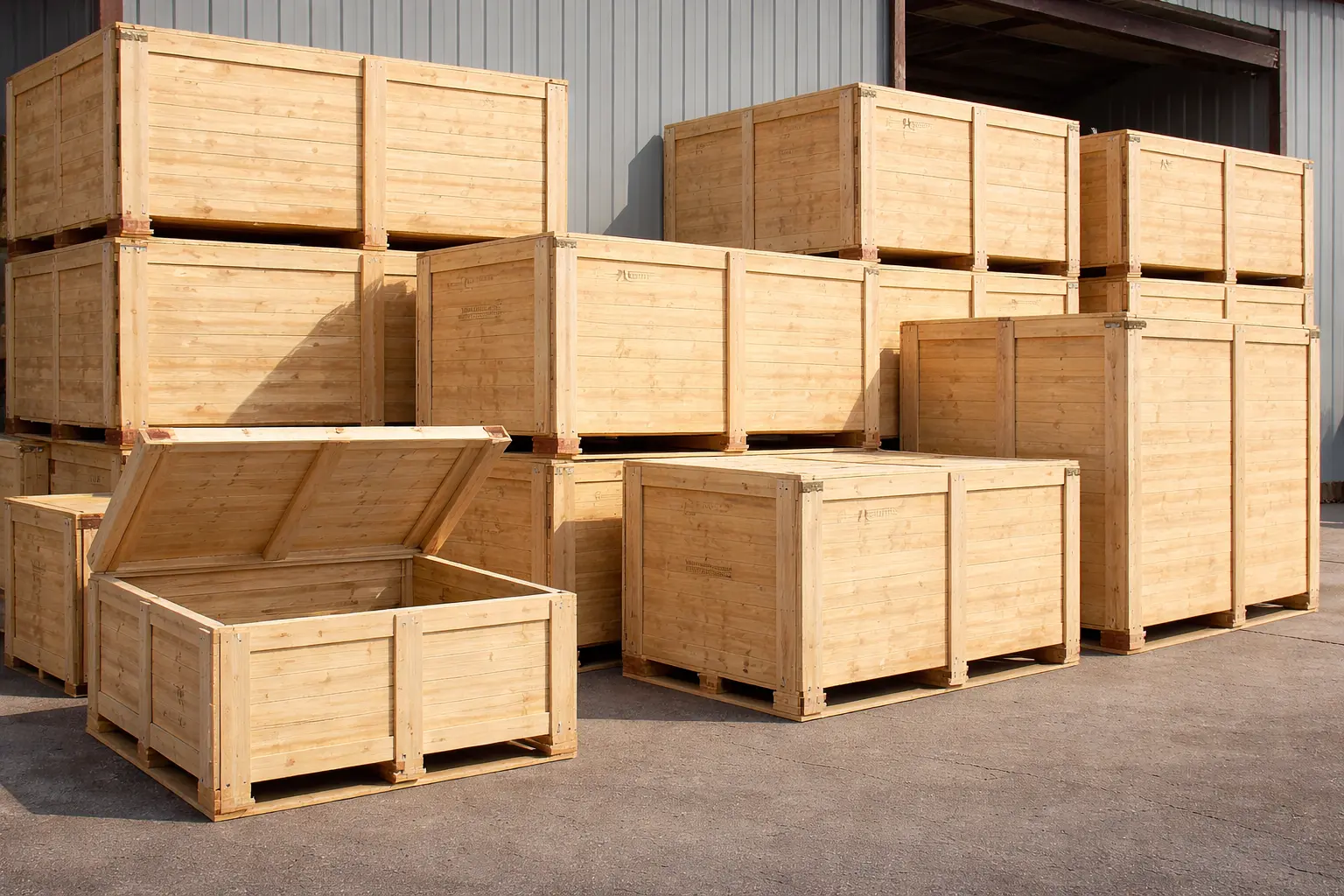
Uniform crate dimensions help support more predictable stacking within pallet racking systems. Their consistent dimensions help balance pressure evenly across stacked loads. In high-traffic warehouse environments, this consistency helps keep loads stable before dispatch.
Additional protection considerations:
- Clearly defined forklift entry points reduce accidental tine damage to crate walls.
- Stable base design limits micro-movements during repeated repositioning.
- Standardised external dimensions improve compatibility with automated handling systems.
Enhanced Protection for Irregular or High-Value Goods
Standard packaging often struggles to fit machinery parts or irregularly shaped loads. Custom timber packaging addresses this by adding internal bracing, partitions and supports that match the product’s shape. In this way, it prevents sensitive components from contacting crate walls or shifting under load.
Securing irregular goods within a purpose-built timber crate can protect both the product and its financial value. This is crucial in multi-stage distribution, as increased handling raises the risk of damage.
How Custom Crates Reduce Overall Packaging Costs
While protection safeguards your products, cost efficiency determines how sustainable that protection is over time. Let’s explore how well-designed custom crates can help reduce packaging costs:
Reduced Material Waste Through Accurate Sizing
Standard packaging often adds extra height, width and thickness to deal with uncertainty. Custom timber crates, on the other hand, are made to precise specifications, so every panel and support component has a specific purpose. This precision reduces timber use and keeps material costs down over large runs.
The correct size also makes cutting easier in the manufacturing process. Fewer offcuts and better material planning improve overall yield from each timber batch. If you place bulk orders, you may reduce packaging costs through more efficient material use and streamlined production.
Decreased Spending on Secondary Packaging Materials
There is far less reliance on foam inserts, plastic cushioning and layered protection when products are securely stored in the crate itself. A well-designed precision-fit crate replaces temporary stabilisation methods with built-in containment. As a result, this approach reduces spending on recurring filler materials.
Similarly, the packing process becomes more straightforward. Your team will spend less time wrapping, bracing and adjusting loads before dispatch. This improves workflow speed and reduces labour costs for each shipment.
Over time, using fewer supplies and packing faster leads to long-term savings in industrial packaging design and operational efficiency.
Improved Warehouse Space Utilisation
Crate dimensions also influence how goods occupy valuable warehouse space. Purpose-built crates are designed to integrate with pallet racking systems, optimising your vertical storage without leaving awkward gaps. This better alignment boosts warehouse packaging efficiency and minimises wasted floor space.
Additionally, smarter spatial planning enhances storage density per square meter. When crates stack neatly and glide through aisles, facilities can hold more inventory without needing to expand their footprint.
With rising commercial space costs, improving layout efficiency can significantly reduce overall storage expenses.
Read more: How to Specify the Right Dimensions for Custom Pallets
Lower Environmental and Disposal Costs
Reducing material excess has a positive impact on both the environment and finances. Using fewer filler materials means less packaging waste is discarded upon delivery. This lowers landfill volume and associated disposal fees. Timber, unlike many synthetic options, is biodegradable, which makes sustainable timber packaging a better long-term choice.
High-quality timber crates can also be reused for multiple shipments before replacement is required. A longer lifespan means fewer new crates need to be produced. That helps lower procurement costs and reduces the environmental impact of packaging operations.
Freight damage and rising packaging costs are often symptoms of poorly designed packaging that does not suit the product. Custom timber crates stabilise loads, manage weight properly and eliminate unnecessary material use. The result is stronger protection, fewer damage incidents and leaner packaging across warehousing and transport.
For businesses focused on long-term cost control, custom crate design provides a practical way to reduce overall packaging spend. Less timber, less filler, better storage and reduced waste make these crates cost-effective beyond their build. When protection and cost efficiency align, packaging becomes a more strategic operational investment.
Ready to protect products and cut packaging costs? Partner with Waterstone Pallets, a reliable pallet manufacturer in Melbourne. Our team designs custom timber crate solutions built around your exact operational needs.
Get in touch today to discuss your requirements and request a tailored quote.
FAQs
Are custom timber crates suitable for both domestic and international shipping?
Yes, custom timber crates are suitable for both domestic and international shipping. For domestic freight within Australia, they ensure secure load stability and protection. For international shipments, the timber used must meet ISPM 15 standards, which require the use of heat-treated timber for pest contamination prevention.
How long do custom timber crates typically last in industrial operations?
Custom timber crates typically last 3 to 5 years or longer in industrial operations, depending on how frequently they are used, the weight they carry and how they are stored.
Can custom crates be integrated into existing warehouse and pallet systems?
Yes, custom crates can be designed to match standard pallet dimensions, forklift tine spacing and pallet racking configurations, ensuring smooth handling and stacking.
How is the cost of a custom timber crate calculated?
The cost of a custom timber crate is based on the volume of timber required and the labour involved in design and assembly. Additionally, any added features, such as reinforcement or ISPM 15 heat treatment for export, can affect the overall price. Read our comprehensive guide to understand ISPM 15 standards for wooden pallets.