At a glance
- Choosing the right pallet type, size and load rating helps maintain structural integrity during the transport of goods.
- Overloading and uneven weight distribution are leading causes of pallet damage in freight movement.
- Proper wrapping, securing and careful forklift operation reduce stress and movement in transit.
- Using custom pallets improves durability and supply chain reliability.
Pallets play a crucial role in almost every manufacturing, warehousing and transportation operation. They support products in storage, during handling and throughout delivery. Proper pallet use helps your goods move safely and with less stress along the supply chain.
You may face serious disruptions when pallets fail during transport. Damaged stock, delivery delays, safety incidents and unexpected replacement costs can quickly accumulate.
The good news is that pallet damage is usually preventable. Many issues arise from factors such as selecting the wrong pallet, overloading or improper handling. By addressing these issues early, businesses can lower risks and protect their freight. This article offers practical strategies to help reduce pallet damage during transport. Before we dive in, let’s start by exploring what leads to pallet damage in transit.
Why Pallet Damage Happens During Transport?
In most cases, pallet damage results from stresses that accumulate during loading, handling and transit. Reviewing the following factors helps explain why pallets fail under pressure:
- Incorrect Load Distribution: If the weight is not balanced evenly across the pallet, strain varies within the vehicle or carrier sections. Edges and centre supports may become overloaded, especially if products extend beyond the pallet’s edge. This uneven pressure increases the risk of cracks or collapse during movement.
- Improper Handling and Forklift Practices: Frequent impacts from forklift tines or rough manoeuvring can compromise pallet strength. Even small handling errors, when repeated daily, accelerate wear and reduce the overall durability of the pallet.
- Environmental and Transport Conditions: Environmental factors such as rain or humidity can penetrate timber, compromising its stability and strength. Transporting pallets over long distances increases the risk of damage before they reach their destination.
- Poor Pallet Quality or Incorrect Type: Not all pallets are designed for the same operational demands. Using the wrong design for your application, such as selecting a light-duty pallet for heavy machinery, can increase stress on structural components and lead to early failure. Moreover, lower-grade materials or inconsistent construction of the pallet can weaken key load-bearing points.
Read more: How Poor-Quality Pallets Can Cost Your Business More
What Are the Best Ways to Prevent Pallet Damage in Transport?
Once the causes are clear, the next step is to take practical action. Preventing pallet damage during transport requires careful planning at every stage. Here is how you can protect pallets and minimise damage in transit:
Choose the Right Pallet for the Load
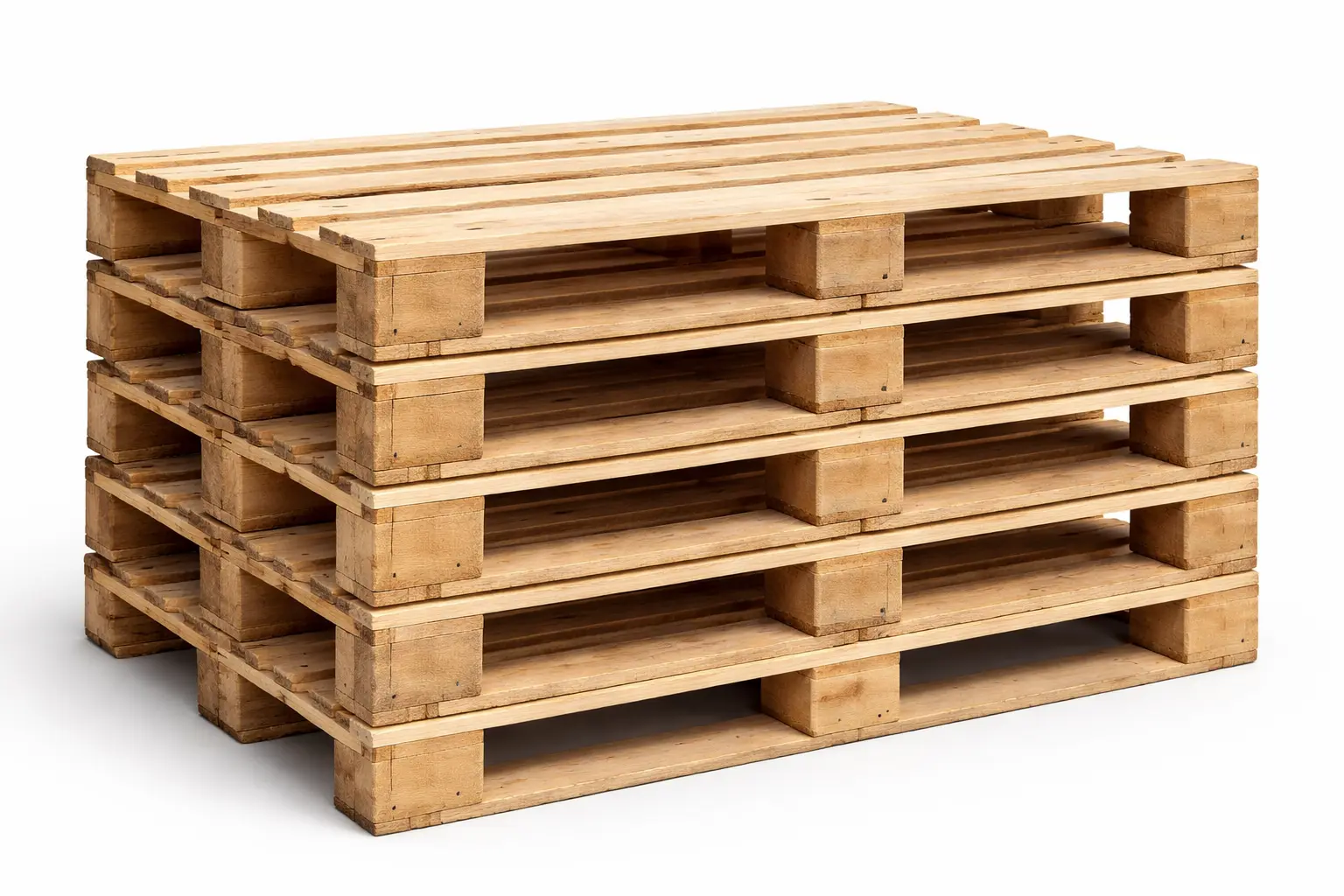
The key to protecting pallets begins with selecting the appropriate pallet for the task. Block and stringer designs perform differently under load, particularly when exposed to frequent handling or racking systems.
Choose the right deck board thickness and construction style to maintain structural integrity during handling and transit. This becomes especially important when goods are heavy or handled frequently, helping the pallet stay intact across repeated use.
The right pallet size is also critical for preventing damage. If a pallet is too small, cartons may hang over the edges, placing extra stress on unsupported areas. In contrast, a well-sized pallet spreads the weight evenly and minimises stress concentration. For long-distance shipping, opting for heavy-duty or export-grade pallets can offer additional strength and support.
Avoid Overloading Beyond Rated Capacity
Understanding the pallet’s load capacity is important for preventing premature failure. Static capacity refers to the weight a pallet can hold while stationary, whereas dynamic capacity is the rating during movement, which is crucial for shipping. When this distinction is ignored, it increases strain when lifting or moving pallets.
Similarly, structural stress intensifies along the stringers and deck boards. Over time, fasteners can split, loosen or bend as the pallet is used. Monitoring load weight before dispatch is a simple but effective way to prevent pallet damage in high-volume distribution settings.
Ensure Even Weight Distribution
Proper pallet load distribution ensures that no single corner or edge bears excessive pressure. When cartons are evenly arranged, the weight transfers more evenly through the pallet structure. This configuration provides stability for both acceleration and braking.
In contrast, poorly aligned goods can shift the centre of gravity and increase instability. Slip sheets or load boards may be used when boxed products are irregular or stacked in layers. These additions help maintain alignment and reduce internal movement. As a result, it supports better pallet-handling practices during dispatch and delivery.
Use Proper Wrapping and Securing Techniques
When applying stretch wrap, keep a steady tension that’s tight enough to secure the goods without crushing the packaging. Applying the correct wrapping technique reduces micro-movements that can gradually weaken pallet joints.
For heavier or stacked loads, using corner boards and protective edging helps keep items aligned vertically. For dense, unstable or high-value loads, add strapping to improve stability during transit.
By reducing internal shifting, these strategies help limit vibration-related stress and reduce the risk of pallet damage during forklift handling.
Use Heat-Treated Pallets for Export
International freight is subject to regulatory requirements that affect pallets. ISPM 15 standards require heat treatment to eliminate pests. Pests not only have an environmental impact on biodiversity. They can destroy the structural integrity of the wood products. Pest can burrow through the timber and create unseen damage to the pallet. Weakening boards and bearers. Heat treating timber pallets kills off any pests present in the timber, minimises the risk of damage to products from possible pallet collapse from untreated pallets.
Untreated pallets can absorb humidity, causing them to expand or distort. This movement can weaken fastener grip and structural strength. Using heat-treated pallets that meet regulations not only prevents shipment rejection but also promotes long-term durability during export.
Read More: Understanding ISPM 15 Standards for Wooden Pallets
Consider Custom Pallets for Heavy or Irregular Loads
Not all shipments can be accommodated on a standard pallet. Equipment with concentrated weight points, awkwardly shaped items and bulk industrial components can place unexpected strain on standard designs. When the base structure does not support the load, stress builds in certain areas.
In these cases, custom-designed pallets offer better protection. Reinforced or oversized pallets help you distribute weight more evenly and maintain structural integrity during long-distance transport.
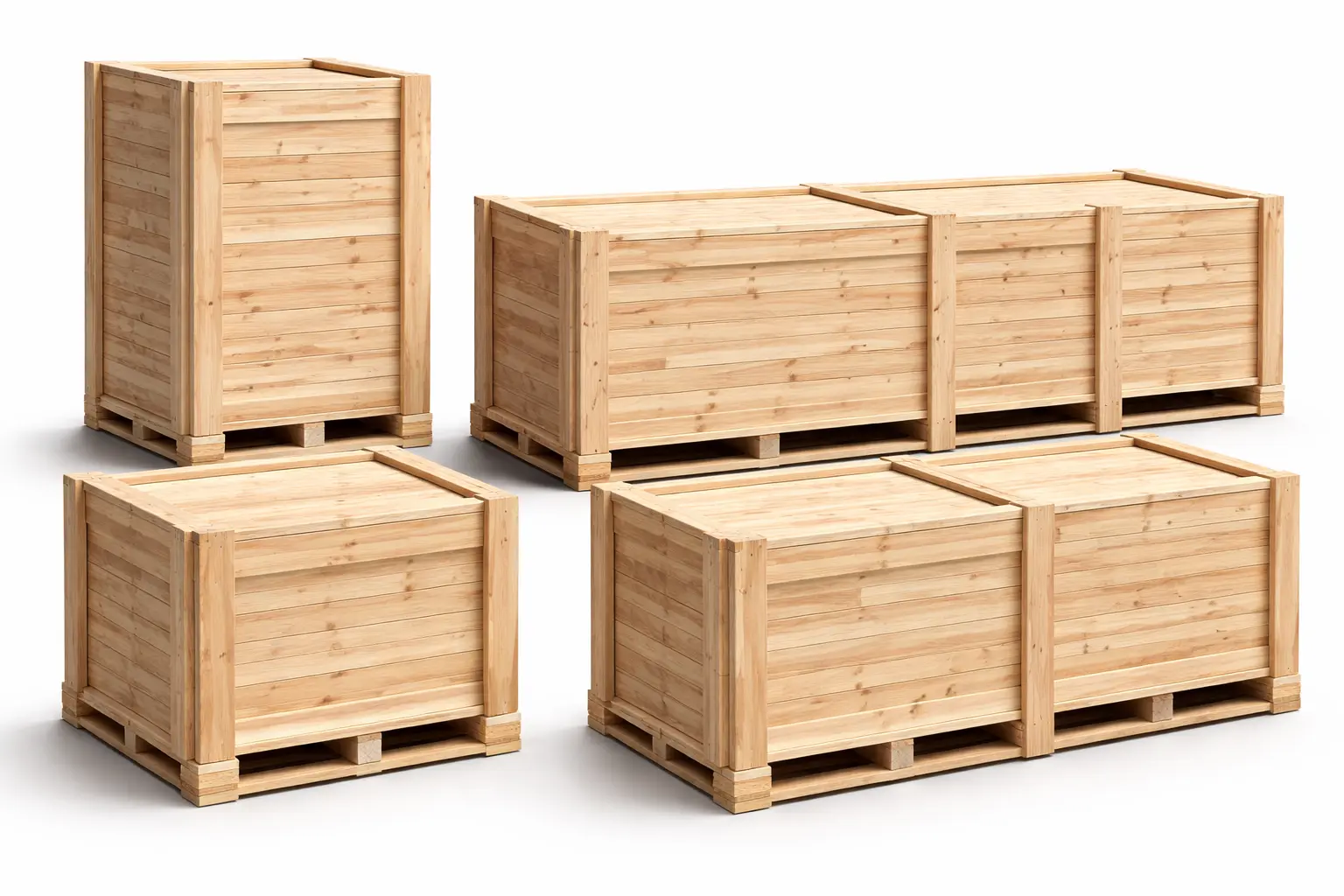
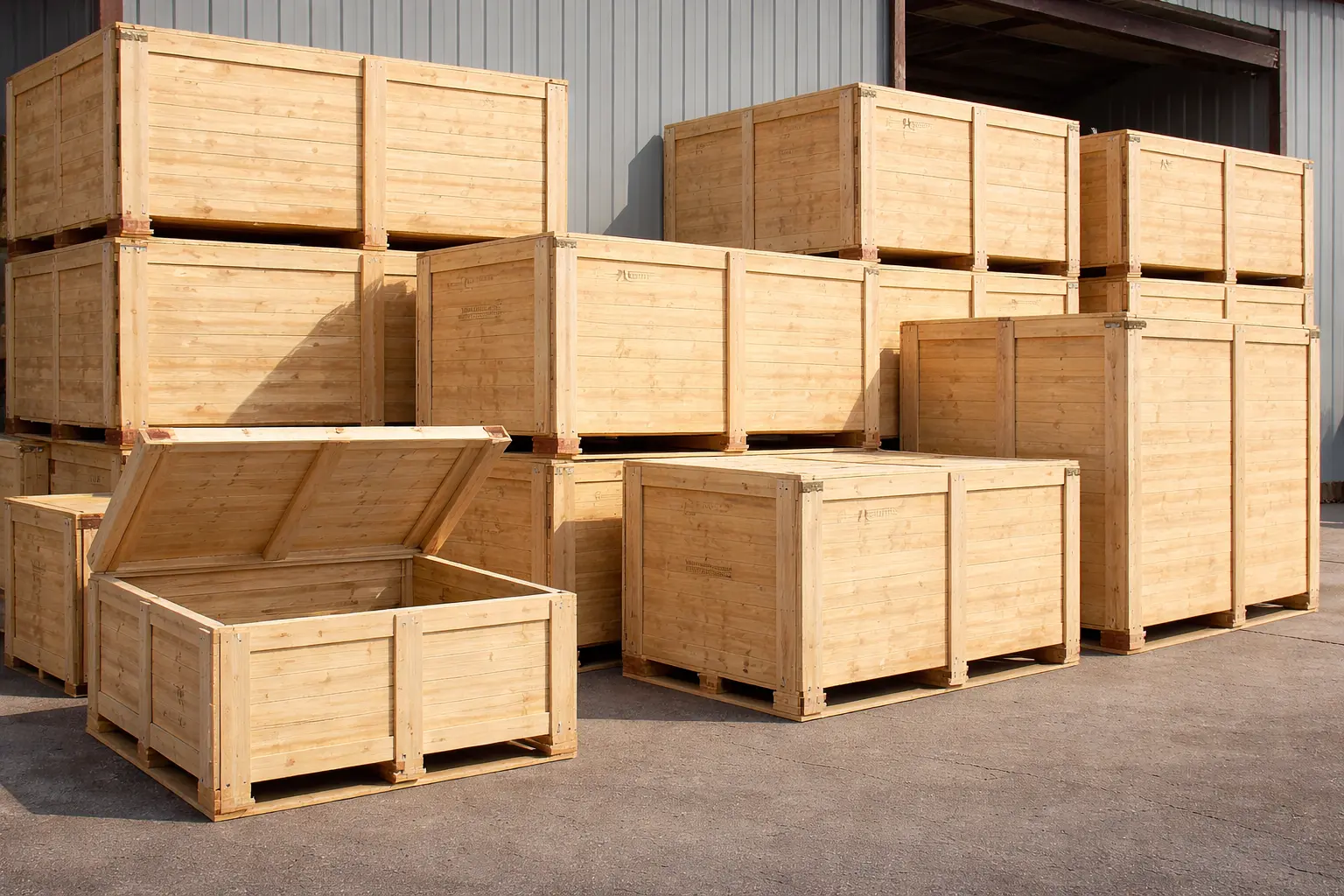
For sensitive or high-value goods, timber cases and crates provide enclosed containment that minimises vibration and internal shifting.
Read more: Custom Pallets: Tailoring to Your Business Requirements.
The bottom line is that reducing pallet damage in transit is not about one single change. Selecting the right pallet, adhering to load capacity and ensuring even weight distribution are crucial for structural strength. Consistent wrap tension, corner protection and using custom pallet designs can reduce the risk of cracks and movement during transit.
When these practical steps are applied consistently, businesses can reduce pallet damage and improve supply chain reliability. Small improvements to your pallet handling practices today can help prevent costly losses later.
Looking to reduce pallet damage in transport? Partner with Waterstone Pallets for custom-made pallet solutions designed to suit your load and handling requirements.
Get in touch with us today to strengthen your supply chain from the ground up.
FAQs
How often should pallets be inspected in high-volume warehouse operations?
Pallets in high-volume warehouse operations should be visually inspected daily to weekly, depending on turnover rate and undergo formal documented inspections at least quarterly.
What are the signs that a pallet should be removed from circulation?
A pallet should be removed from circulation if it shows cracked boards, damaged stringers, missing fasteners or crushed deck sections. Visible warping or any structural weakness indicates the pallet can no longer safely support loads.
Does long-term storage affect pallet durability?
Yes, long-term storage can affect pallet durability. Extended exposure to moisture, temperature changes and ground contact can weaken timber fibres and fasteners over time.
How can pallet damage impact workplace safety compliance?
Pallet damage can impact workplace safety compliance because cracked boards or unstable loads increase the risk of collapse, forklift incidents and worker injury. Under Australian Work Health and Safety (WHS) regulations, employers must ensure that plant and equipment are safe to use and operating with damaged pallets may breach those legal obligations.