At a glance
- Wooden racking pallets provide the strength and precision required for secure storage within warehouse racking systems.
- They enable stable stacking, safe movement, and efficient product access across all warehouse stages.
- By enhancing load stability, safety, and space utilisation, wooden racking pallets directly support faster workflows and reduced downtime.
- Selecting high-quality, AS 4068 pallets ensures long-term reliability, compliance, and consistent warehouse performance.
Behind every efficient warehouse operation is a reliable pallet system. Pallets provide the structural base that allows materials to be stored, moved, and handled safely. When unsuitable pallets are used or when they fail under load, productivity, safety, and product integrity are immediately affected, particularly in high-volume Australian warehouse environments where reliability is critical.
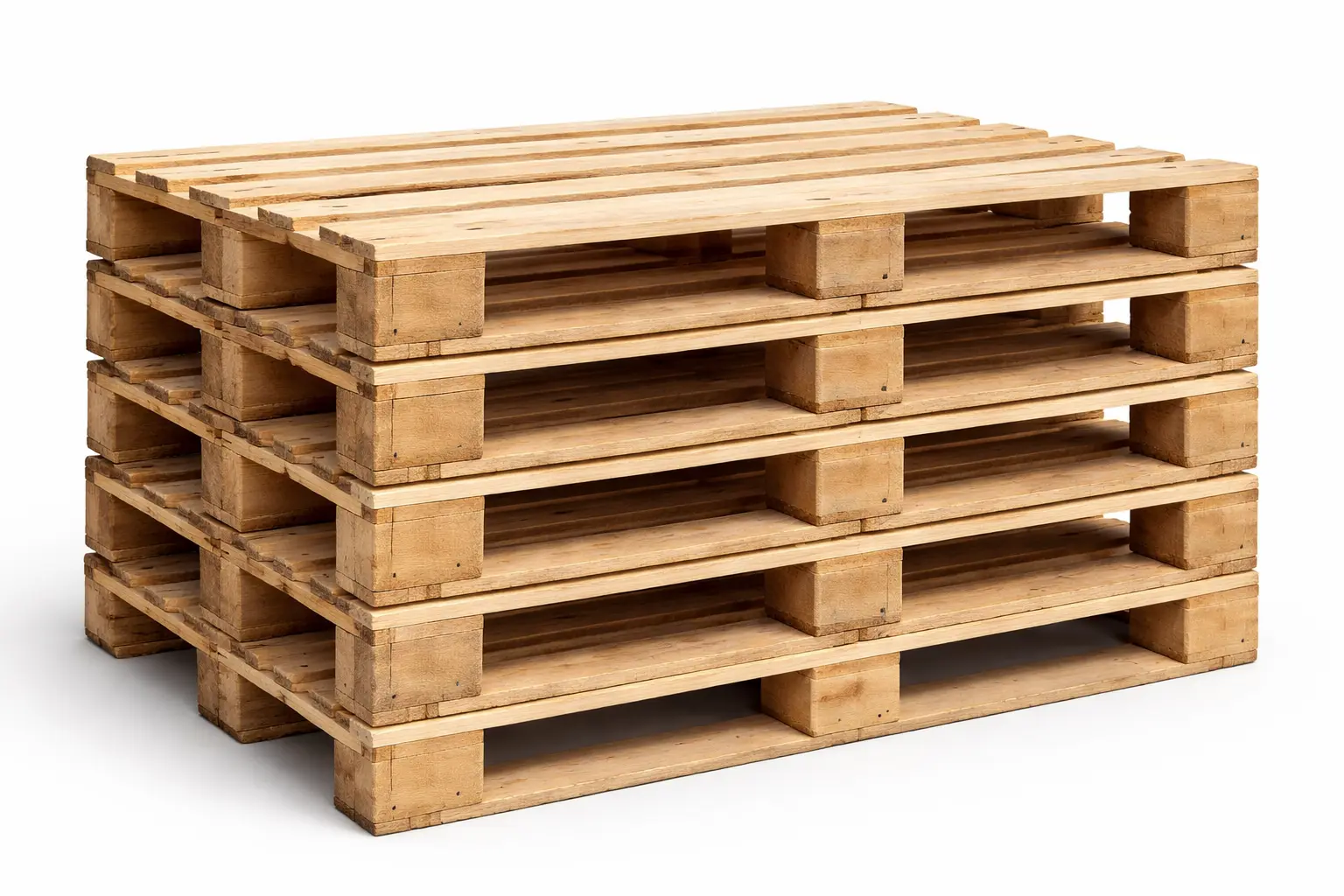
Wooden racking pallets are purpose-built to overcome these challenges. Unlike standard pallets used for general handling or transport, racking pallets are engineered for heavy-load use in warehouse storage systems. Their reinforced timber construction, precise dimensions, and compatibility with Australian standard racking make them an essential component of an efficient warehouse operation.
Built for demanding warehouse conditions, these pallets maintain their shape under heavy loads and support consistent performance across selective, drive-in, or double-deep racking systems. They ensure products remain secure and evenly distributed across shelf levels, a necessity in modern warehouses where automation, narrow aisles, and precision handling are part of daily operations.
In this article, we explore how wooden racking pallets improve warehouse efficiency, from enhancing safety and stability to reducing downtime and supporting long-term operational performance.
The Role of Wooden Racking Pallets in Warehouse Operations
Wooden racking pallets form the foundation of an efficient warehouse. Every stage of movement, from receiving and storage to picking and dispatch, relies on the pallets’ strength and consistency to keep goods secure and operations steady.
A well-built racking pallet supports more than weight; it supports workflow. When pallets are uniform in size and structure, forklifts can operate smoothly, racking remains stable, and products can be handled with confidence. In contrast, poor-quality pallets interrupt productivity, causing product damage, blocked aisles, and equipment downtime that quickly increase costs.
In high-volume warehouse operations, even small inefficiencies can affect overall output. Reliable wooden racking pallets help maintain stability and rhythm across daily operations, reducing delays and supporting safer, more efficient warehouse performance.
These pallets are also designed to suit the Australian Standard AS 4068 2023 compliant racking systems, ensuring they perform consistently under the high demands of warehouse environments. Ultimately, the performance of a warehouse is closely linked to the performance of its pallet system. When the foundation is strong and reliable, operations become safer, smoother, and more cost-effective.
How Wooden Racking Pallets Improve Warehouse Efficiency
Efficient warehouse performance depends on how well pallets support storage and handling tasks. Below are the key ways wooden racking pallets improve overall warehouse efficiency.
Enhanced Load Stability
Load stability is one of the key drivers of safe and efficient warehousing. Wooden racking pallets distribute weight evenly across deck boards and racking beams, preventing sagging, tilting, or concentrated stress points.
This even distribution protects both the pallet and the racking structure while also safeguarding stored goods. Heavy or irregular loads remain balanced and secure, reducing the risk of product damage or the need for repacking and handling corrections. A stable load surface also allows forklift operators to move confidently, resulting in smoother and more predictable material handling.
Quality racking pallets maintain structural integrity under heavy, uneven loads, ensuring long-term reliability and consistency in warehouse performance.
Improved Safety and Handling
Warehouse safety relies on the strength and consistency of every pallet in use. A well-constructed wooden racking pallet is designed to withstand repeated lifting and heavy loads without warping or cracking. When pallets fit securely on racking beams and align smoothly with forklifts, handling becomes more controlled, reducing the risk of accidents and ensuring safer, uninterrupted workflow.
This reliability lowers the risk of dropped loads, damaged goods, and workplace injuries that are common problems in fast-moving warehouse environments. Strong, stable pallets give operators confidence and help maintain a safer, more consistent flow of work across the warehouse floor.
Space Optimisation
Every square metre in a warehouse is valuable. Wooden racking pallets are designed to work seamlessly with vertical racking systems, helping businesses make full use of their cubic capacity.
Because each pallet is made to fit racking dimensions accurately, facilities can safely increase stacking heights and minimise wasted space. Improved storage density leads to better organisation, quicker inventory access, and more efficient use of floor area.
Optimised space also enhances order fulfilment. When products are stored in defined, easily reachable locations, picking accuracy and turnaround times improve across the board.
Reduced Downtime
Pallet failures are one of the simplest ways efficiency can break down inside a warehouse. A damaged pallet halts operations; goods need to be reloaded, and stock must be checked before work can continue.
Strong, well-built timber racking pallets help prevent these interruptions. Their solid construction withstands repeated handling and heavy loads without losing shape or strength. With routine inspections and timely pallet repairs, they continue performing reliably for years, offering long-term value and operational stability.
Fewer pallet failures keep operations moving without unnecessary stoppages or added costs. Choosing durable, Australian-made racking pallets helps maintain steady output, reliable workflows, and stronger cost efficiency across the warehouse.
Sustainability and Lifecycle Value
Wooden racking pallets offer both performance and environmental benefits. Timber is a renewable resource, and most quality pallets, including heat-treated racking pallets produced by Waterstone Pallets, are made from responsibly sourced, sustainable timber that complies with ISPM 15 export standards.
Unlike plastic or composite options, wooden pallets can be repaired or recycled. Damaged boards are replaceable, extending the pallet’s service life and reducing waste.
As more businesses incorporate sustainability into their supply chains, repairable and recyclable wooden pallets present a practical solution. They deliver long-term operational and environmental value, helping warehouses reduce waste while maintaining efficient, reliable performance.
Choosing the Right Wooden Racking Pallets
Selecting the right pallet type is critical for ensuring warehouse efficiency and safety. The following factors should be considered when choosing wooden racking pallets for warehouses:
- Load Capacity: The pallet must be strong enough for the goods it carries. Exceeding its rated weight can cause bending or strain on both the pallet and the racking structure.
- Timber Grade and Moisture Content: The quality of timber directly affects pallet strength and reliability. Using well-processed, moisture-controlled timber helps maintain strength, reduce warping, and ensure consistent reliability under warehouse conditions.
- Pallet Dimensions: Choose pallets that fit securely on racking beams with minimal overhang to maintain balance.
- Treatment and Compliance: Choose pallets that comply with standards for load capacity, dimensional consistency, and safe use within Australian warehouse racking systems.
Choosing the right supplier is just as important as selecting the right pallet. Consistency in quality, strength, and build ensures every unit performs the way your operation needs it to.
Waterstone Pallets manufactures wooden racking pallets to strict performance standards, using responsibly sourced timber and proven construction methods. Each pallet is built for strength, tested for reliability, and made to support efficient, safe, and sustainable warehouse operations across Australia.
Efficient warehouses are built on reliable systems, and racking pallets are one of them. When the pallets are strong, consistent, and well-suited to the task, everything from storage stability to safety improves.
Choosing robust pallets designed for warehouse conditions helps maintain dependable performance and lower long-term costs. Assessing current pallet use and partnering with a trusted local pallet supplier can significantly enhance workflow reliability and warehouse safety.
Need reliable racking pallet solutions to improve warehouse efficiency? Contact Waterstone Pallets today to discuss your requirements for custom-built or standard wooden racking pallets.
FAQs
How do wooden racking pallets contribute to better warehouse efficiency?
Wooden racking pallets are vital to warehouse efficiency because they keep loads stable, allow safe stacking, and make handling faster and more consistent across operations. Their purpose-built design ensures smoother forklift access and more efficient space utilisation within racking systems. By maintaining consistent dimensions and load capacity, they also reduce equipment downtime and product damage, supporting uninterrupted workflow.
Are wooden racking pallets safe to use with forklifts?
Yes. High-quality racking pallets are designed for safe and consistent use with forklifts and pallet jacks. When manufactured to Australian standards AS 4068, they offer strong deck boards and secure fork entry points that prevent accidents caused by slipping or misalignment. Consistent sizing and solid construction also ensure smooth engagement with warehouse handling equipment.
How long do wooden racking pallets typically last?
The lifespan depends on handling frequency, load weight, and storage conditions. However, well-built wooden racking pallets can last for several years when maintained properly. Regular inspection, moisture-control practices, and timely repairs help significantly extend their usable life. Learn more in this guide on maintaining and extending the life of wooden pallets.
Can wooden racking pallets be repaired or reused?
Yes. One of the major advantages of wooden pallets is their repairability. Damaged boards or stringers can be replaced easily, allowing the pallet to be reused instead of discarded. This makes them a cost-effective and sustainable option for warehouses. In many cases, refurbished pallets perform to the same standard as new ones, helping reduce waste and long-term costs.