At a glance
- A detailed pallet RFQ helps suppliers provide accurate quotes while reducing unnecessary delays and clarification requests.
- Clear dimensions and load requirements help suppliers recommend pallets suited to the products they need to support.
- Handling, storage and transport conditions influence pallet construction, while export use may require heat treatment and marking under ISPM 15.
- Consistent specifications and itemised pricing make it easier to compare supplier quotations beyond the initial purchase price.
Requesting a pallet quote might seem straightforward. You provide the dimensions and quantity, and the supplier gives you a price. Those two details alone leave key questions unanswered, such as load weight, handling equipment, storage conditions and destination. The supplier has to assume an answer to each one, and any assumption can change the specification.
A request for quotation (RFQ) is a formal document you send to suppliers to obtain pricing and supply details. For timber pallets and packaging, it should reflect how your goods will be loaded, handled, stored and transported. Missing details can lead to unsuitable quotations and unnecessary procurement delays.
A complete RFQ helps your pallet supplier quote accurately the first time and makes your next request quicker to prepare.
Why a Detailed RFQ Matters for Pallets and Timber Packaging
An RFQ is often the only specification a supplier sees before pricing, so its level of detail determines how closely the quote matches the job.
- More accurate quotations: Clear specifications help suppliers determine suitable materials, construction and treatment requirements while estimating production costs. A quote based on an assumed lighter load may price a different pallet from the one the product needs.
- Easier supplier comparisons: When every supplier receives the same requirements, you can compare quotes on specifications rather than price alone. A lower price may reflect a smaller deck, lighter construction and no treatment.
- Fewer specification errors: Complete load and handling details reduce the risk of receiving pallets that do not suit the application. A pallet that is too small leaves cartons overhanging the deck, and unsupported edges are more exposed to damage during handling and transport.
- Less procurement back-and-forth: When you supply the essential information upfront, suppliers have fewer questions to ask, which shortens the quotation process.
- Better long-term value: Telling the supplier whether the pallets are for single or repeated use, and where they will operate, helps them recommend suitable construction. This lets you compare the purchase price against freight, damage, repair and replacement costs.
What Information Should You Include in a Pallet RFQ?
You do not need every detail finalised before requesting a quote. If certain requirements are still undecided, identify them clearly so the supplier can discuss suitable options with you. Here are some of the key details a supplier needs to price pallets and timber packaging accurately:
Packaging Type and Pallet Condition Requirements
Start with what you are buying, because different formats are built and priced differently. State the following:
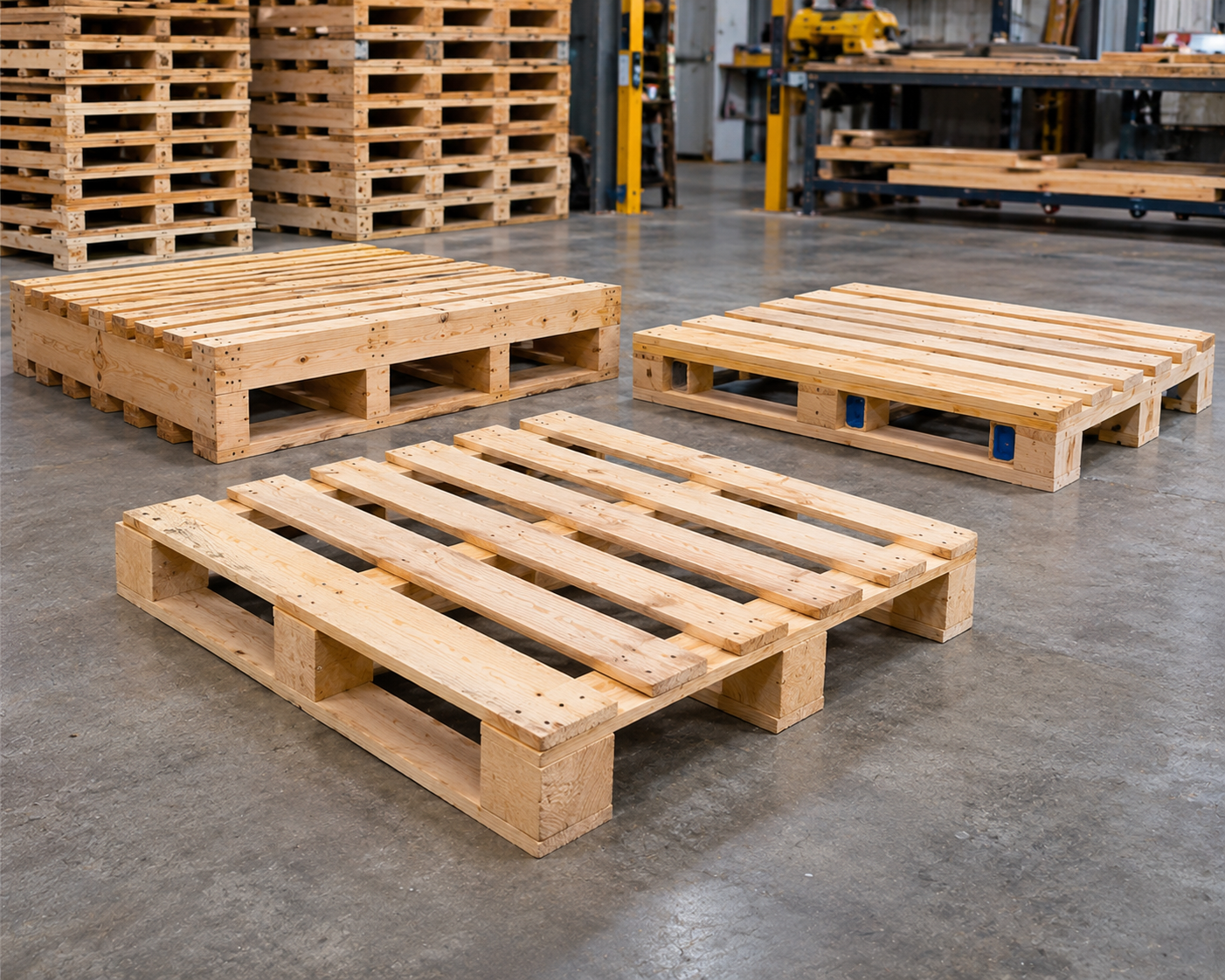
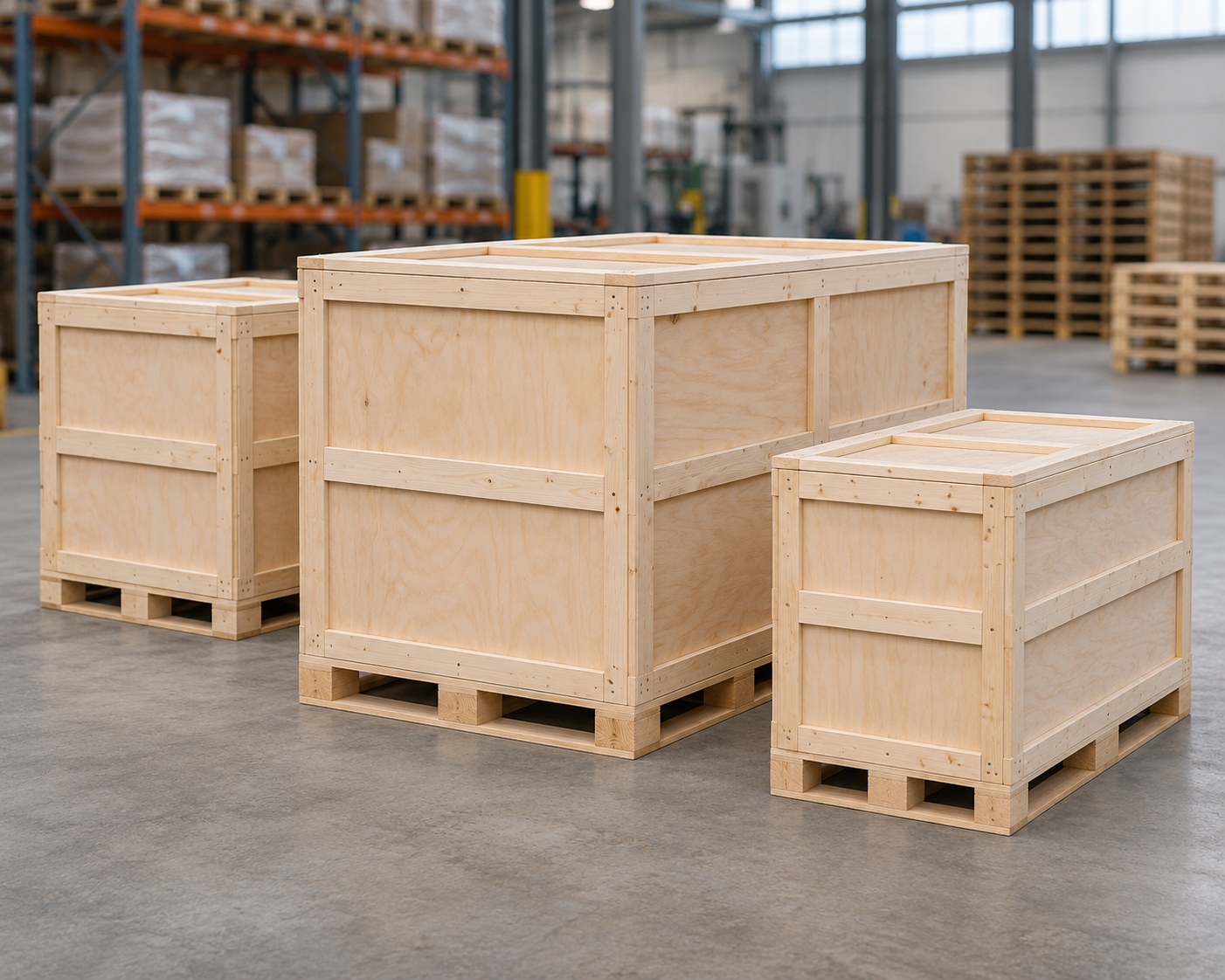
- Format: standard pallets, custom timber pallets, skids, timber cases and crates
- Condition: new, repaired or a combination of both
- Mixed orders: each format has its own line item with its own quantity
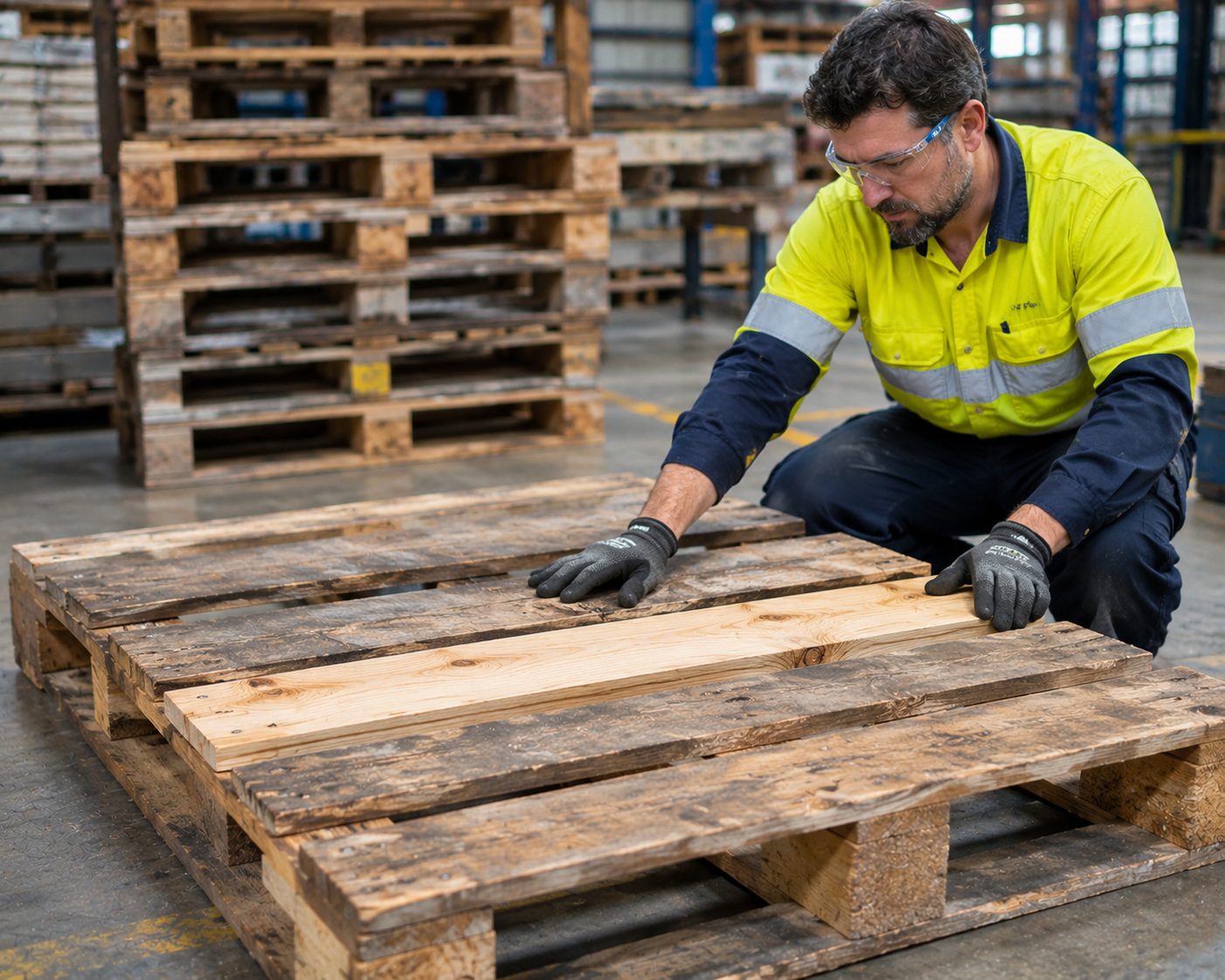
For repairs, describe the pallet type and size, the visible damage and the intended use. A supplier cannot confirm repairability without inspection, and whether to repair or replace wooden pallets depends on the remaining timber and how the pallet will be used. Repaired pallets for export also need separate compliance and marking checks, because the ISPM 15 mark shows the timber has been treated to the international standard.
Dimensions, Construction Details and Supporting Drawings
Provide the length, width and height in millimetres, along with any maximum loaded height and tolerances. For a large timber crate or any other timber case, state whether your dimensions are internal or external measurements.
A common Australian standard footprint is 1165 mm × 1165 mm, but it does not suit every load, so include the exact size you need. If a standard size pallet suits the load and handling, mention this in the RFQ.
Include any known construction requirements, such as deck configuration, timber specifications, bearers or runners, lids and internal supports, along with protection needs such as bracing, lining and cushioning.
If available, attach drawings or photographs, especially for custom work. Product footprint, fork entry and rack fit are the starting points for specifying custom pallet dimensions, so measure these before sending the RFQ.
Product Weight, Load and Support Requirements
State the maximum gross weight per pallet, including the goods and packaging. Then describe how that weight sits on the pallet, for example whether the load is evenly distributed, concentrated at a few points, irregularly shaped or fragile.
Explain how the pallet will be supported, whether on the floor, stacked or on racking beams. Wooden pallet load capacity varies with the support conditions, so a rating for one application may not apply to another. You do not need to quote a rating yourself, because the weight and support details let the supplier assess suitability.
Handling, Storage and Transport Conditions
These conditions tell the supplier how the pallet will be lifted, moved and held. Include the following:
- Handling equipment and whether two-way or four-way forklift entry is required.
- Clearance limits at docks, doors and equipment.
- Stack height, or racking type and beam spacing.
- Indoor or outdoor storage, and any moisture exposure.
- Transport method and any securing requirements.
These details shape the supplier’s recommendation. Fork entry affects handling speed and board wear, while beam support determines how the pallet carries its load. Moisture exposure may also influence timber selection and construction.
Domestic or Export Use and Treatment Requirements
State whether the packaging is for domestic use or export, and name the destination country for export. Treatment and marking requirements depend on both.
ISPM 15 generally applies to solid-wood packaging used in international trade, including pallets, skids, cases and crates, subject to the standard’s exemptions. Packaging made wholly from processed wood, such as plywood, is generally exempt. Solid-timber framing or bearers in a plywood box can still be covered, so describe the construction.
If the shipment needs heat-treated pallets, for export requirements, mention this in the RFQ. Heat treatment is recognised under ISPM 15, but it does not make timber permanently pest-proof. Heat treated pallets will need to be stored apart from non-treated timber products.
Order Quantities, Delivery Expectations and Quotation Details
Give suppliers what they need to plan production, delivery and pricing:
- Initial order quantity, anticipated repeat orders and estimated monthly volumes, with quantities specified separately for each packaging type.
- Delivery location, required dates, staged deliveries and unloading facilities.
- Pricing and terms: unit costs, freight, GST, treatment or repair charges, minimum order quantities, lead times and quotation validity.
A supplier may quote a one-off order differently from an ongoing requirement, so state which applies. Asking every supplier to itemise pricing in the same way also makes the responses easier to compare.
What Does a Complete Pallet RFQ Look Like?
The example below shows how the key requirements can be presented in a single quotation request. The figures are illustrative only and do not represent recommended pallet specifications.
| Requirement | Example specification |
| Product and quantity | 200 new custom timber pallets per month |
| Dimensions | 1400 × 1100 mm; maximum loaded height 1600 mm |
| Load requirements | 900 kg gross load per pallet, evenly distributed |
| Handling and storage | Two-way forklift entry; indoor floor storage |
| Domestic or export | Domestic use within Australia; no export treatment |
| Delivery | Melbourne warehouse; preferred delivery within three weeks |
| Quote requested | Unit price, delivery costs, GST, lead time and quote validity |
Confirm the final construction and suitability against your own application.
A complete pallet RFQ is more than a request for the lowest price. It tells the supplier how your pallets will be loaded, handled, stored and delivered. The essentials are the packaging type, dimensions, load details, handling conditions, treatment needs, quantities and delivery expectations.
At Waterstone Pallets, we supply standard, custom and repaired pallets, along with wooden box crates and other timber packaging. Contact us to discuss your requirements or get a tailored quote today.
If you do not have every detail ready, start with the basics. Share your name, email, phone number, quantity and product type, and we will contact you to work through the rest.
FAQs
Who should approve pallet specifications before placing a large order?
Before you place a large order, confirm the pallet and crate specifications with your warehouse, logistics and safety or quality teams. Their input helps you catch problems with fit, handling or storage before you commit to bulk quantities.
Can a pallet supplier recommend an alternative design to the one requested?
Yes. A supplier can propose a design that better suits your load, handling conditions and budget, provided the change still meets your performance and safety requirements.
How should you compare pallet quotations when suppliers recommend different designs?
Compare quotations on load capacity, construction, durability and overall cost rather than price alone. Reviewing the key factors when choosing pallets helps you assess different designs fairly.
What should you do if pallets repeatedly become damaged during transport?
Look at pallet construction, load stability and handling practices to find what is causing the damage. Applying practical pallet damage prevention measures can then reduce breakages and replacement costs.