At a glance:
- Repairing wooden pallets is the most cost-effective option when pallet damage is minor and the structural integrity remains intact.
- Replacing is the smarter choice when structural damage, repair costs, or compliance requirements make repairs impractical.
- A balanced approach—repairing when feasible and replacing when necessary—reduces risk, controls costs, and ensures efficiency.
Wooden pallets play an essential role in the movement and storage of products in logistics, warehousing, and shipping. But like any asset, they wear out over time. Damage is inevitable, and operators need to be prepared to decide whether to repair or replace the pallet.
The right decision depends on factors such as the extent of damage, load requirements, compliance obligations, and total cost over the pallet’s lifecycle. Repairing may be the most cost-effective way to extend pallet life when the core structure remains sound. Replacement may be a more suitable option when structural integrity is compromised, repair costs are high, or regulatory standards necessitate it.
For example, a pallet with a single cracked deck board but intact stringers (also called bearers) can usually be repaired quickly and cheaply to keep it in service. Conversely, a pallet used to carry heavy machinery components that has a split stringer may need replacing to avoid collapse under load.
This blog covers everything you should know when deciding between repairing and replacing wooden pallets.
When to Consider Repairing a Pallet?
Pallet repair restores damaged units to a safe and functional condition by replacing worn or broken components. Minor issues such as damaged deck boards, stringers, or nails are easily fixable. Repairing is most valuable when dealing with non-structural damage, helping businesses to extend pallet lifespan without investing in a full rebuild or replacement.
Below are key situations where pallet repair is a practical solution.
Minor Damage That is Easily Fixable
Common wear-and-tear issues, such as cracked or splintered deck boards, protruding nails, warped planks, or loose fasteners, are usually very easy to fix and require minimal downtime. These surface-level defects often occur through mishandling such as forklift tines scraping boards, pallet jacks catching edges, or repeated stacking pressure.
When the pallet’s primary load-bearing components, such as the stringers and blocks, remain structurally strong, small repairs can restore full function without compromising safety.
Pallet Still Meets Structural Load Capacity
Repairing a wooden pallet is the most practical approach if it still supports its rated load capacity without sagging, deformation, or instability. You can confirm its structural integrity through a routine check for hairline cracks in stringers, water damage, nail looseness, or compromised joints.
Pallet Design Allows for Part Replacement
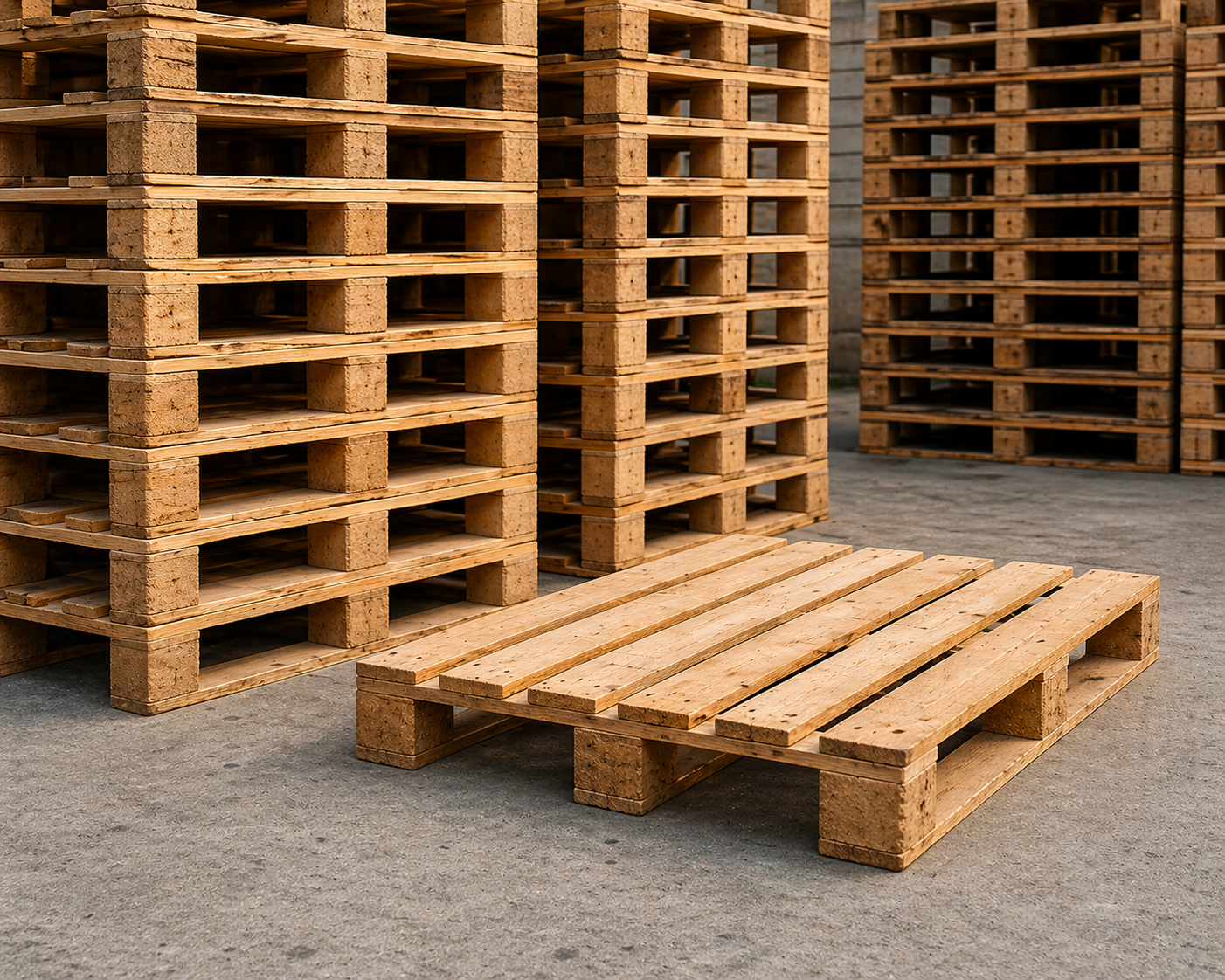
Some wooden pallets, like block-style designs, are built for easier maintenance, allowing damaged components to be replaced individually. For example, a chipped block or broken top deck board can be replaced without dismantling the entire pallet.
This modular approach reduces repair time, minimises material use, and keeps the pallet in active service for longer. In high-volume supply chains, this design advantage translates into reduced downtime, a longer overall pallet lifespan, and better return on investment. This efficiency makes it a strategic choice for businesses that need to optimise asset utilisation.
Repairing Is More Cost Effective Than Replacing
Simple repairs, such as replacing a deck board or securing a nail, typically cost only a fraction of what purchasing a new pallet would. For companies managing large volumes, even small per-unit savings can add up to substantial annual cost reductions.
Businesses can track repair history alongside performance data to identify when repairs remain cost-effective and when replacement becomes the more financially prudent decision. If repairing pallets has the same performance as buying a new one, then it is rational to fix it. However, if a new pallet offers significantly better performance, businesses should consider replacing it.
Quick Turnaround in High-Turnover Environments
In sectors with tight shipping schedules, such as Fast-Moving Consumer Goods (FMCG) distribution, cross-docking operations, and seasonal retail pallet shortages can quickly lead to bottlenecks. In such industries, purchasing a new pallet might take significant time and disrupt operations. As a result, quick repairs allow pallets to be fixed and returned to circulation in hours rather than days.
This rapid turnaround helps maintain workflow continuity, reduce the need for holding excess inventory, and avoid costly disruptions in fulfilment. Reliable wooden pallet suppliers like Waterstone Pallets offer quick and convenient pickup and delivery services across Melbourne so that businesses can avoid additional burden.
When Replacement Is a Smarter Option
Replacing a pallet means removing it from circulation entirely and introducing a brand-new unit into the system. Once replaced, old pallets are usually recycled or disposed of.
Buying a timber pallet comes with a higher upfront investment, but it offers guaranteed strength and consistent quality. In addition, having a new pallet is a must for some specific compliance and hygiene standards.
In short, replacement is ideal when pallet reliability is critical to preventing product damage, safety incidents, or supply chain disruptions.
Here are some key situations when replacing pallets is optimal.
Severe or Structural Damage
The structural integrity of a pallet is compromised when the damage affects key load-bearing elements, such as a cracked or split stringer, crushed block, or lengthwise fractures. In these cases, repairs often fail to restore the original strength, making the pallet unsafe for heavy loads or high-stack storage.
Continuing to use a compromised pallet increases the risk of collapse, which could damage goods, injure staff, or harm equipment. In these situations, replacing the pallets is a more effective option than risking safety and compromising handling reliability in demanding logistics environments.
Read More: How to Assess the Quality of Wooden Pallets Before Purchase
Ongoing Repair Costs Exceed Replacement Value
A pallet that requires frequent attention, especially structural repairs, can quickly become a cost burden. Repeated fixes add up in labour hours, parts, and downtime, while also consuming warehouse resources that could be allocated elsewhere.
By tracking each pallet’s repair frequency, companies can identify patterns and determine when the total repair spend surpasses the cost of purchasing a replacement.
Proactively replacing high-maintenance pallets avoids ongoing expense, improves operational reliability, and allows maintenance teams to focus on more productive asset care.
Pallet is Near or Past Expected Lifespan
A standard wooden pallet has an expected lifespan of three to five years, depending upon the frequency of use and material handling. Even the strongest, well-built pallets degrade over time due to repeated handling, weather exposure, and heavy loads.
Prolonged use can cause the wood fibres to weaken, fasteners to loosen, and boards to warp or splinter. These signs indicate that the pallet has reached or is approaching the end of its safe, useful life.
Continuing to use aged pallets can increase the likelihood of in-transit damage or load failure. Thus, it is better to replace the pallets that are near or beyond the expected lifespan when damage is seen.
Safety Risks or Quality Control Standards Require New Units
Industries like pharmaceuticals, food and beverage, and export logistics are subject to strict hygiene and compliance rules. Pallets used in these environments may need to meet Hazard Analysis Critical Control Point (HACCP) standards or carry International Standards for Phytosanitary Measures No. 15 (ISPM 15) certification for international shipping.
While some repaired pallets can be re-certified, others cannot meet the required standards due to material contamination or repair limitations. In such cases, replacing with compliant new pallets is the only way to fulfil legal obligations, maintain customer confidence, and reduce the risk of shipment rejection or fines.
Comparison Between Repairing and Replacing Wooden Pallets
Deciding between repairing and replacing wooden pallets can be complicated at times. This is where you should clarify your priorities. Determine which factors are more important to you, and based on such factors, you can either choose to repair the damaged pallets or replace them.
| Basis | Repairing Wooden Pallets | Replacing Wooden Pallets |
| Cost | Lower upfront cost, especially for minor damage | Higher initial cost, but may reduce ongoing maintenance expenses |
| Safety | Depends on the quality of repair; may not meet safety standards for heavy loads | Offers consistent structural integrity and better load-bearing capacity |
| Compliance | May not meet standards for export or hygiene-sensitive industries | More likely to meet HACCP, export, and other regulatory requirements |
| Environmental Impact | Extends pallet life and reduces waste; ideal for sustainable practices | Often recyclable, but may increase timber usage and disposal volume |
| Lifecycle ROI | Cost-effective when done selectively and tracked properly | Better long-term value when repairs become too frequent or costly |
Read More: How to Choose the Right Pallets for Your Needs
Deciding whether to repair or replace wooden pallets is a significant decision for any warehouse, logistics, or supply chain operation. Repairs are ideal for addressing minor, non-structural damage, extending asset life, and keeping costs under control, especially when turnaround speed is essential. Replacement becomes the better option when structural integrity is compromised, non-compliant to regulations, or repair costs outweigh the pallet itself.
Thus, businesses can go for a balanced approach: repair where it’s practical and safe, replace when performance or safety could be compromised.
For expert advice on pallet repair, replacement, and supply strategies tailored to your operations, contact Waterstone Pallets today. Our team will consult with your needs and suggest a solution based on your best interests.
FAQs
How long does a wooden pallet typically last?
A well-maintained wooden pallet can last between 3 and 5 years, depending on handling frequency, load weight, storage conditions, and repair practices.
Can repaired pallets be used for export or food-related industries?
Repaired pallets are usually not suggested for export or food-related industries. They are used only if they meet relevant compliance standards, such as ISPM 15 for export or HACCP requirements for food handling.
How often should wooden pallets be inspected for damage?
In high-use environments, inspections should be conducted after each cycle or at least monthly to identify and address safety or structural issues promptly.
Are repaired pallets safe to use?
Yes, if repairs are performed to industry standards and the pallet retains its rated load capacity. Regular inspections help ensure ongoing safety and performance.
How many times can you use a pallet?
A quality pallet can complete dozens of trips over its lifespan, especially with timely repairs and proper handling to prevent unnecessary damage.
What is the cost of pallet repair?
Costs for repairing pallets vary based on the type and extent of damage. But minor repairs, such as replacing a deck board, are typically far less expensive than buying a new pallet.
Why should you repair wooden pallets?
Where possible, repairing can extend the service life of a pallet, reduces waste, and offers significant cost savings, especially in large-scale operations where asset turnover is high.