At a glance
- Repurposed timber pallets are rising in popularity as a sustainable alternative to new furniture materials.
- Upcycling pallets provides affordable, customisable furniture options for homes, retail spaces, and markets.
- Pallet timber is strong, durable and naturally suited to rustic, industrial and minimalist décor styles.
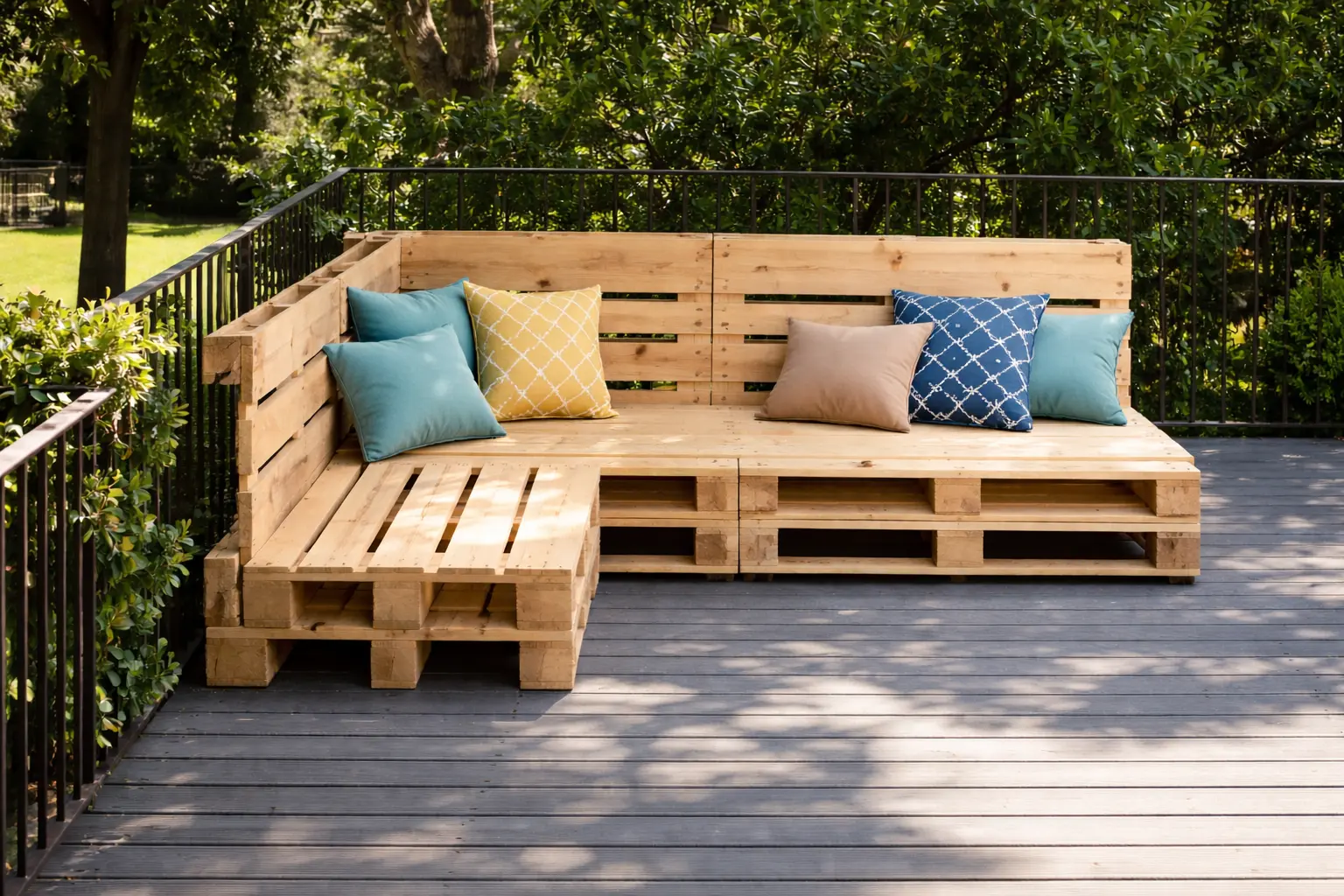
- Repurposed pallets can be used to build coffee tables, shelving, seating, storage crates, planter boxes, and display units.
Timber pallets have evolved from their original use in warehouses. Once used only for transport and storage, they are now appearing in homes, cafés, and retail spaces as unique furniture pieces. This change is driven by people seeking practical, low-impact ways to reuse materials and reduce waste.
Sustainability is a big part of the movement. Upcycling wooden pallets reduces waste, saves money, and fits perfectly with today’s industrial and rustic design trends. From DIY enthusiasts to small businesses, more people are recognising that repurposed pallets offer an affordable and environmentally friendly way to refresh a space.
Wooden pallets are strong, versatile, and easy to transform. Their durability makes them ideal for creating tables, benches, shelving, planters, display units, and more, even after they’ve served their intended use in the warehouse.
This blog explores why repurposed pallet furniture is on the rise, the challenges and considerations involved, and the creative ways people are giving old pallets a second life.
What’s Behind the Rising Trend of Repurposed Timber Pallet Furniture
Here are several factors that continue to drive the growing trend of making furniture out of repurposed timber pallets.
The Push Toward Sustainable and Circular Design
Repurposed timber pallets have become a preferred choice for people seeking eco-friendly home solutions. Instead of sending used pallets to a landfill, individuals and businesses are repurposing pallets from warehouses to extend the service life of the timber and reduce unnecessary waste. Upcycling warehouse materials ensures the use of existing resources, appealing to those who want eco-friendly furniture.
This shift also aligns with circular-economy principles, which prioritise the reuse of materials for as long as possible. Repurposing pallets into tables, seating, or shelving makes full use of the remaining timber strength and gives industrial wood a second life. Thus, repurposed timber solutions are becoming increasingly popular among both environmentally conscious designers and consumers.
Cost-Effective Furniture Solutions
One of the strongest reasons why pallet furniture is popular is its affordability. Many retailers and event organisers already have access to used pallets and can transform them into functional furniture without having to purchase expensive hardwood pieces. This makes pallet furniture an appealing option for budget-conscious small businesses that want quality results without the cost of commercial manufacturing.
Repurposing existing pallets also helps warehouses avoid disposal fees and reduces the need for new materials for furniture businesses, which is a win-win for both. For pop-up stores, market stalls, and seasonal displays, pallet furniture ideas offer a practical way to build unique setups while keeping expenses low.
Versatility and Customisation Driving Creative Demand
Pallet timber is highly adaptable, which is why pallet furniture design has become a favourite among DIY builders and designers. The material can be sanded, stained, painted, stacked, or cut to suit a wide range of uses. This flexibility allows people to customise coffee tables, bed frames, planter boxes, and wine or shoe racks, giving them a personalised touch.
Businesses also appreciate the versatility of repurposed timber pallets as furniture pieces. Pallets can be shaped into modular displays, retail shelving, or tiered display stands that are easy to reposition and adjust. This level of customisation makes it ideal for cafés, boutiques, market vendors, and anyone seeking adaptable furniture.
Aesthetic Appeal of Industrial and Minimalist Styles
The raw, textured surface of pallet timber fits naturally into one of the popular interior design styles today. Rustic pallet furniture suits warm, earthy décor, while industrial style pallet furniture complements metal accents and warehouse-inspired spaces. These aesthetics have become mainstream in homes, studios, hospitality venues, and commercial interiors.
Repurposed materials also add authenticity to a design. They bring character and a sense of history that new materials often lack. They also offer a balance of simplicity and minimal design that aligns with modern styling preferences. As consumers shift toward minimalist décor choices, the appeal of repurposed timber pallet furniture continues to grow.
Strength and Durability as Furniture Material
Pallets are originally engineered to carry heavy warehouse loads, which gives them exceptional structural strength even when repurposed into furniture. This means pallet furniture can handle everyday use, making it suitable for seating, tables, shelving, and other functional pieces. When properly maintained, the timber remains stable and dependable for long periods.
Pallet timber’s durability is another reason for the growing trend of repurposing it as furniture. With basic preparation, the timber can withstand indoor or outdoor conditions. Such durability makes pallets a trusted choice for people looking to create long-lasting furniture from readily accessible, low-cost materials.
Read more: How to Assess the Quality of Wooden Pallets Before Purchase
Popular Furniture Ideas Using Repurposed Timber Pallets
With the growing interest in upcycling, people are finding countless ways to turn old pallets into practical, stylish furniture pieces for their homes and workspaces.
- Coffee tables and side tables: Solid pallet structures make sturdy, easy-to-style surfaces.
- Bed frames and headboards: The structural strength of pallet timber supports everyday use.
- Outdoor seating and garden benches: Durable timber holds up well in outdoor settings when sealed properly.
- Bookshelves, pallet shelving, and wall-mounted racks: Ideal for lightweight storage and creative vertical displays.
- TV units and entertainment stands: Pallets offer a stable, low-profile base for media setups.
- Storage crates and modular organisers: Simple pallet wood cuts can be transformed into strong, stackable storage.
- Planter boxes and vertical garden frames: Timber pallets support soil weight and allow for layered planting.
Challenges & Considerations Before Building Pallet Furniture
Before transforming pallets into furniture, it’s important to understand the safety checks and preparation steps that ensure the finished pieces are suitable for indoor use.
- Wood Condition and Structural Integrity: Pallets often carry heavy loads in warehouses, so boards can crack, loosen, or weaken without being obvious at first glance. Before repurposing, inspect it closely to ensure the timber is sound, stable and safe to work with. If the pallet is only lightly damaged and can be safely restored, it is often better to repair the pallet and reuse it in warehouses rather than repurpose it straight away.
- Chemical Treatments and Pallet Codes: Not all pallets are treated the same way, and some may have been exposed to chemicals during manufacturing. Heat-treated (HT) pallets are free from pest treatment chemicals, but you should still check for spills or contamination from previous use. Pallets marked MB (methyl bromide) or with chemical treatment codes should be avoided entirely. Checking the pallet stamp ensures you avoid building furniture with unsafe materials.
- Pests, Dirt, and Contamination Risks: Used pallets can contain traces of previous warehouse loads, including stains, mould, or pest activity. Inspecting for contamination is essential if the pallet was used for food, liquids, or industrial goods. A thorough cleaning and disinfection step ensures the timber is safe for indoor environments.
- Moisture Content & Long-Term Durability: Moisture is a common issue in pallets stored outdoors or in humid warehouses. Wet timber may warp, swell, or split after the furniture is built, which compromises long-term strength. Letting the pallet dry completely before use is a key consideration for durability.
- Sanding, Surface Preparation, and Finishing: Rough pallet surfaces can create splinters or uneven finishes if left untreated. Sanding smooths the timber and prepares it for sealing, while finishes like varnish or oil protect the wood from wear. Proper surface preparation ensures the furniture is safe to handle and visually polished for home and commercial spaces.
Read more: How to Address Common Wooden Pallet Damage Issues
Repurposed timber pallet furniture has earned its place in modern homes and commercial spaces for good reason. It offers a sustainable way to extend the life of warehouse materials while giving people the freedom to create affordable, functional, and unique pieces. From its durability and strength to its natural fit within industrial and rustic design styles, pallet timber continues to appeal to anyone looking to refresh a space without relying on expensive new resources.
As more people embrace upcycling and low-impact design, the trend will only continue to rise. Repurposing pallets not only reduces waste but also unlocks creative possibilities that suit homes, markets, and retail environments alike. With the right preparation and an eye for design, old pallets can be transformed into long-lasting, practical furniture.
FAQs
How long does pallet furniture typically last in commercial or residential settings?
Pallet furniture can last several years in both commercial and residential settings when properly prepared, sealed, and maintained. Its lifespan depends on the pallet’s original condition and the environment it’s used in.
Are certain pallet types better for repurposing into furniture?
Yes. Heat-treated pallets and standard hardwood or softwood pallets in good condition are best for repurposing. They avoid chemical fumigation treatments and offer reliable sizing, making building furniture easier.
How safe is pallet furniture for children and pets in a home environment?
Pallet furniture is safe for children and pets when the timber is properly cleaned, dried, sanded, and sealed. Using heat-treated (HT) pallets helps avoid chemically fumigated timber, and removing splinters or rough edges through sanding, ensures a smoother, non-toxic surface suitable for home use.