At a glance
- A timber pallet with minimal damage can often be repaired 3 to 5 times, while one with more extensive damage may only be repairable once or twice.
- Localised damage is usually easier to repair repeatedly when the pallet’s main structural components are still sound.
- Previous repairs gradually reduce available fixing areas, which makes the amount of sound remaining timber increasingly important.
- Careful handling and dry storage help reduce damage frequency and can extend a pallet’s repairable service life.
Timber pallets are exposed to forklift impacts, heavy loads, stacking, transport and storage conditions throughout their working life. Over time, boards crack, fixings loosen and components wear. That raises a practical question about timber pallet repair: how many repairs are realistic?
There is no fixed number, but as a rough guide, a pallet with minimal damage, such as a cracked deck board, can often be repaired 3 to 5 times. One with more extensive but still repairable damage may be repaired only once or twice. The exact count depends on the type of damage and the condition of the remaining timber.
The sections below explain what pallet repair services involve and which factors affect how many times a pallet can be repaired. By the end, you will have a clearer picture of what realistic pallet repair looks like.
What Does Timber Pallet Repair Actually Involve?
Pallet repair is a step-by-step process, and each stage builds on the one before it. Here is how that sequence runs in practice:
- Inspection comes first: The inspection checks the pallet’s boards, fixings and supporting components, so the repair decision is based on its overall condition rather than only the most visible defect.
- Evaluation sets the scope: The findings show whether damage stays within boards and fasteners or reaches the bearers and other structural areas. This stage sorts common wooden pallet damage, such as split timber, loose nails and weakened fixing points, into repairable and non-repairable cases.
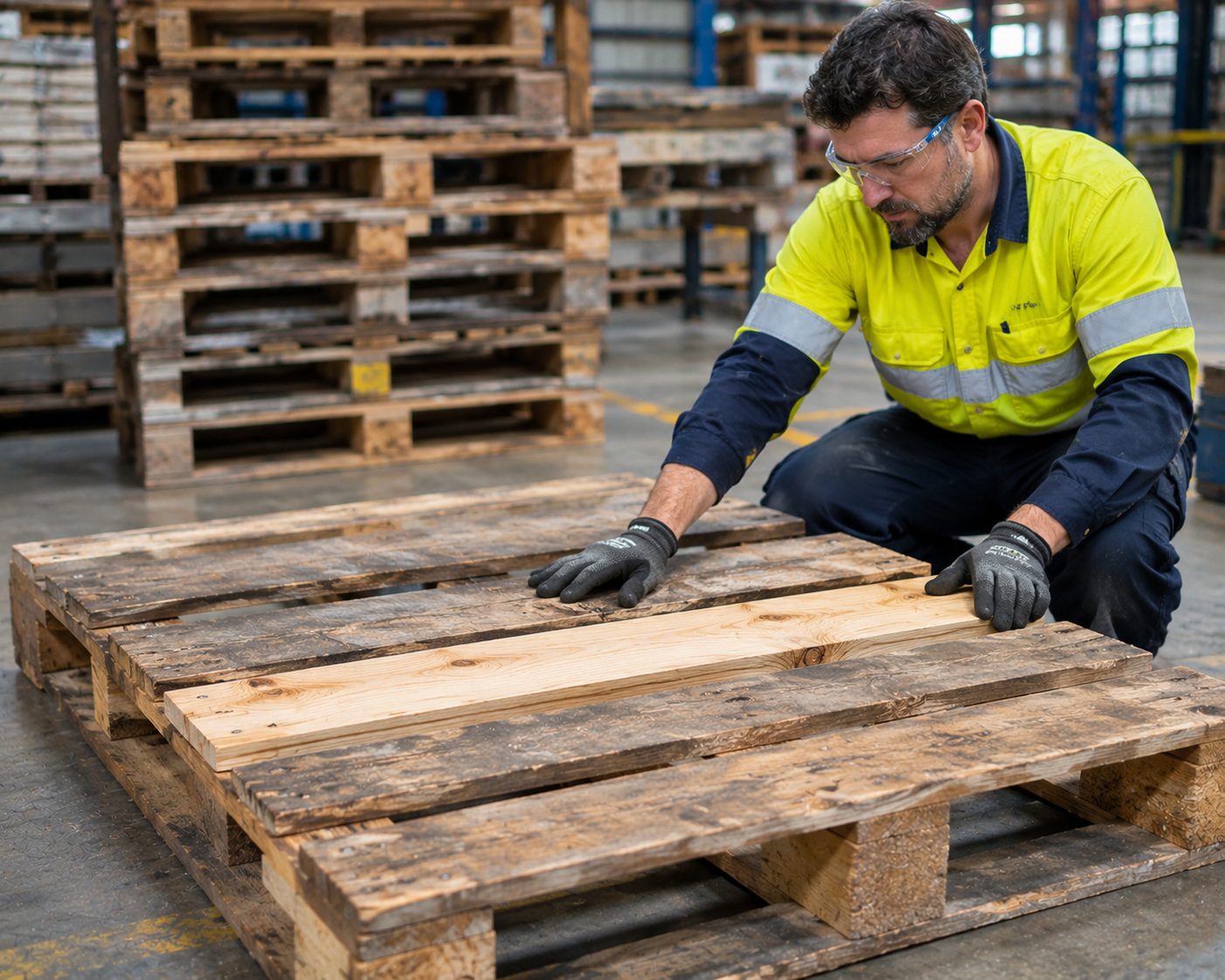
- The damage is repaired: Broken or loose components are removed or secured at the point of failure, so the defect is resolved rather than hidden. Sound surrounding timber stays in place wherever it can hold the repair.
- Replacement components are fitted: Where a component cannot be saved, a new board or part is fitted and fastened to sound timber. Matching the original size and position keeps the pallet compatible with forklift and storage use.
- A final check confirms the work: Before the pallet returns to service, an inspection confirms it is stable, firmly fastened and safe to handle. This step separates professional pallet repair from patching visible damage.
What Determines How Many Times a Pallet Can Be Repaired?
A pallet does not wear out at a predictable rate. How long repair stays practical depends on the damage itself, the underlying structure, the remaining timber, how the pallet is handled and how it is stored. These conditions below matter most:
The Type and Part of the Damage
The first question is what has failed. A single cracked deck board is relatively localised, and replacing it may require little alteration to the pallet’s remaining components. This is one of the more straightforward forms of wooden pallet repair when the surrounding structure remains sound.
Damage that spreads across connected parts is a different matter. For example, a split deck board sitting next to a loose bearer connection means the repair covers a wider area and the pallet needs a closer inspection before any work starts. Each additional damaged part leaves less of the original pallet for the repair to build on.
The Condition of the Pallet’s Structural Components
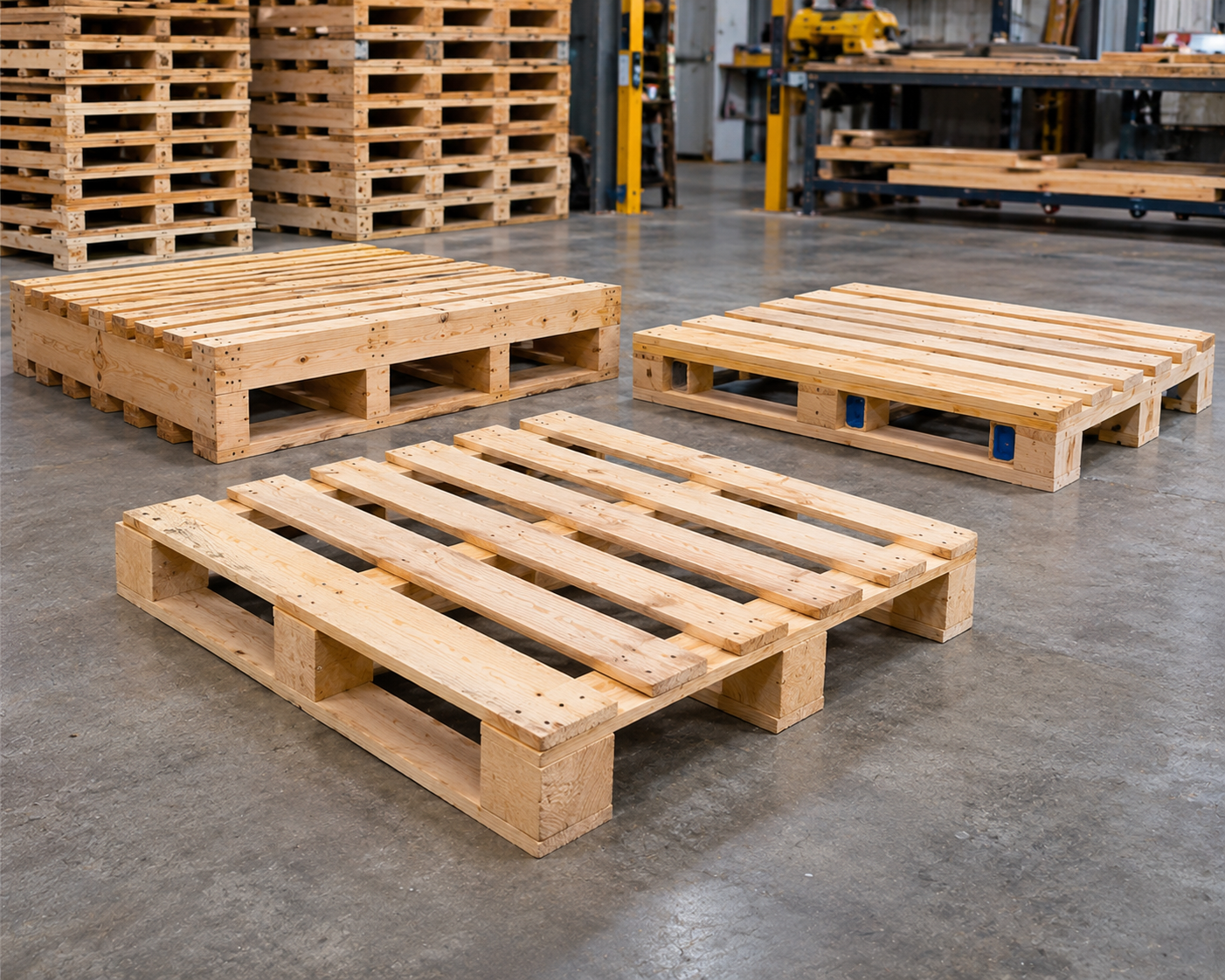
Bearers, stringers and blocks carry the load and anchor the deck boards, so the quality of a repair depends on the frame beneath it. When these parts are sound, worn or broken deck boards can be replaced and fixed securely, even if the surface looks rough, because the supporting timber gives replacement boards reliable fixing points.
Cracked, crushed or badly split structural parts present a more serious problem. New boards cannot restore strength the frame has already lost, and fasteners hold poorly in damaged timber. Repair options narrow quickly in this situation, because the pallet may no longer carry its rated load safely, especially in racking or under heavy forklift use.
How Much Sound Timber Remains After Previous Repairs
Every repair needs solid timber around the repair point to hold new components and fasteners. Each earlier repair leaves nail holes and sometimes localised splitting, which gradually reduces the usable fixing area. A pallet can stay repairable several times, but each repair depends on the timber left at that stage.
Repair history also matters for export use. Where pallets serve as heat-treated pallets for export, any replacement timber must meet ISPM 15 treatment requirements and the pallet’s markings must remain valid, so repaired or altered pallets need a compliance check before shipping.
How the Pallet Is Used and Handled Between Repairs
The loads a pallet carries and the way handling equipment engages with it can influence how quickly damage develops. Heavy or concentrated loads can place repeated stress on particular deck boards and supporting components. Forklift tines striking board edges during entry can split timber and loosen connections. Pallets in high-turnover operations therefore reach their next repair sooner.
Handling practices also affect how often this type of damage occurs. Loading within the pallet’s capacity, entering squarely and lifting instead of dragging all reduce impact points, and reducing pallet damage in transport follows the same principles. A pallet that moves a few times a month on a controlled site will usually need repair far less often than one passing through several handovers each week.
Exposure to Moisture and Storage Conditions
Moisture affects timber whether or not a pallet is being handled. Timber that repeatedly absorbs and loses moisture swells and shrinks, which can warp boards, open existing splits and loosen fasteners. Pallets left outdoors or on damp floors can also begin to decay, weakening the timber before the damage is visible.
Good storage habits therefore help protect timber pallet lifespan. Keeping pallets off the ground, under cover and with airflow between stacks limits moisture exposure and slows the build-up of repair work. Dry storage and regular inspection help extend a wooden pallet’s service life.
Repair or Replace? Knowing When to Stop Repairing
These conditions also show when repair stops being the practical choice. The comparison below summarises how they typically point towards repair or replacement.
| Check | Repair usually suits | Replacement usually suits |
| Damage | Localised to one or two boards | Spread across connected components |
| Structure | Bearers and blocks are sound | Bearers are cracked or crushed |
| Timber | Enough sound wood to hold fixings | Fixing areas worn out by past repairs |
| Cost | Repair costs well below a new pallet | Repairs approach the price of a new pallet |
Where the decision is less clear, the comparison of repairing versus replacing wooden pallets sets out the condition and cost trade-offs in more detail.
The number of repairs a timber pallet can take depends on the type of damage, the condition of the bearers and blocks, how much sound timber remains around earlier repairs and how the pallet is handled and stored. Localised damage on a sound frame can often be repaired again, but once the structure or the fixing areas are compromised, replacement becomes the more practical choice.
If your damaged timber pallets are worth repairing, Waterstone Pallets can carry out professional repairs, from replacing broken boards to fixing damaged components. As pallet manufacturers and pallet repair specialists in Melbourne, we support businesses with both new and repaired pallets.
Contact our team to discuss your requirements and request a quote.
FAQs
How often should timber pallets be inspected for damage?
Ideally, you should check a pallet for damage before each use, with further routine inspections scheduled according to how busy your site is.
Does repairing a pallet affect how much weight it can carry?
It can. A correctly repaired pallet may remain suitable for its intended load, but its capacity depends on the condition of the timber and structural components as well as the quality of the repair. Before you return the pallet to service, review wooden pallet load capacity to confirm it still suits your load.
Can heat-treated pallets be repaired and still meet ISPM 15 requirements?
Yes, but only if the pallet goes through the heat-treatment process after the repairs have been completed. In Australia, certified repair processes must be followed, so understanding ISPM 15 requirements for wooden pallets is essential for export use. When treated timber material comes into contact with non-treated timber material, the product must go through the heat treatment process again according to the ISPM15 requirement, in order for it to be compliant.
How do I know if a standard pallet is suitable for my load?
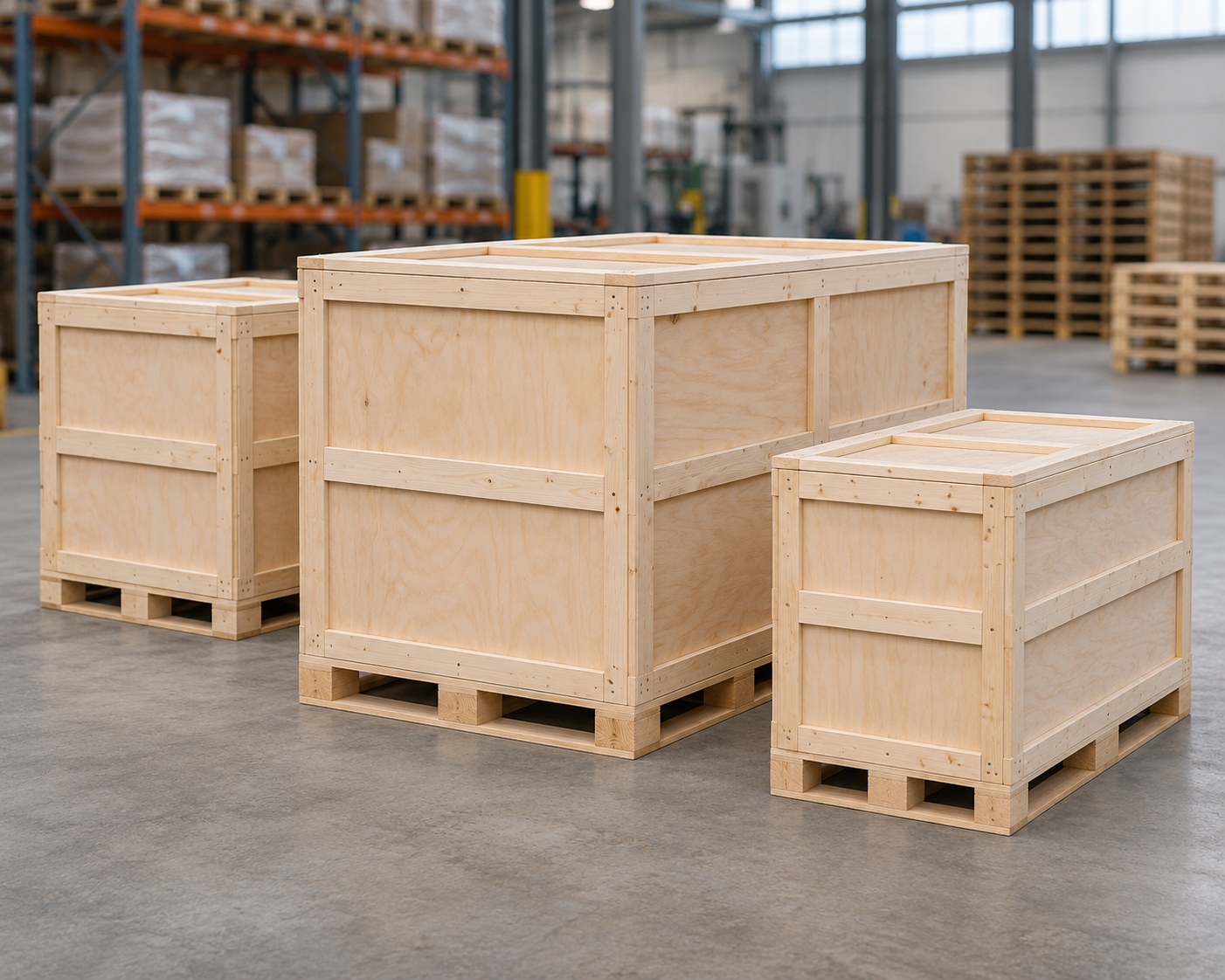
Check whether the pallet’s dimensions, load capacity and construction suit your goods, including their weight, shape, handling method and storage requirements. Irregular, oversized or unusually heavy loads may need a purpose-built pallet, so compare standard and custom timber packaging before you choose one.